Returning to sport too early places stress on unhealed tissue, increasing the risk of re-injury
In fitness, there’s a common pattern: someone gets injured, rests until the pain fades, and then jumps straight back into their routine only to get injured again.
This isn’t due to laziness or carelessness. The real issue is misunderstanding recovery. Pain going away does not mean the body has fully healed. Without proper rehabilitation, this gap can cost months of progress.
The Mistake Most People Make
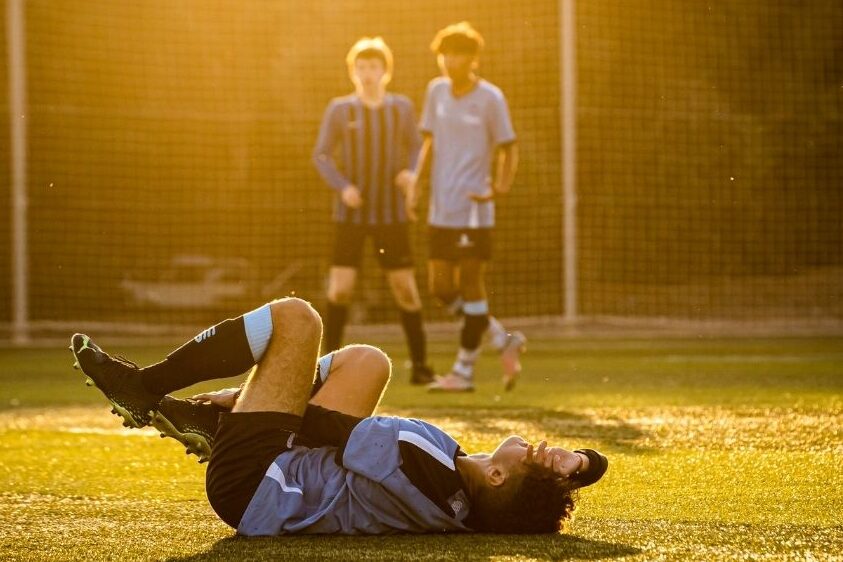
The body adapts to rest quickly. Within a couple of weeks, pain reduces and swelling goes down, making you feel ready.
But you’re not.
While symptoms fade, the underlying tissue hasn’t fully rebuilt. Tendons and ligaments take much longer to recover often 3 to 4 months to regain proper strength.
Steps of Injury Recovery You Should Follow
These phases make it easier to follow a structured and effective recovery process.
Phase 1: Restore Your Range of Motion
In the first two weeks, focus only on regaining mobility.
- Gentle stretching (20–30 seconds per stretch)
- Avoid sharp pain aim for mild tension
- Use foam rolling to improve circulation
Move forward only when you regain about 90% mobility compared to the uninjured side.
Phase 2: Rebuild Strength Carefully
Once mobility returns, gradually reintroduce strength training.
Start with:
- Isometric exercises (wall sits, planks, dead hangs)
- Slow, controlled movements (squats, bridges, resistance bands)
Key guidelines:
- 3 sets of 12–15 reps
- Train 3 times per week
- Rest at least 1 day between sessions
Do not progress if you feel pain or swelling within 24 hours.
Phase 3: Build Functional Strength
This is where most people rush and get injured again.
Focus on:
- Single-leg exercises (lunges, step-ups)
- Balance and coordination
- Gradual load increase (start at 50%, increase 10% weekly)
You should reach 85% strength parity before moving forward.
Phase 4: Return to Full Activity Safely
Now you can reintroduce:
- Speed and power
- Sport-specific movements
- Agility and plyometrics
Important:
- Monitor closely for 4 weeks
- Stop if you feel sharp pain
- Reduce intensity if soreness lasts more than 24 hours
If needed, step back one phase; it’s part of the process.
Why the Right Guidance Matters
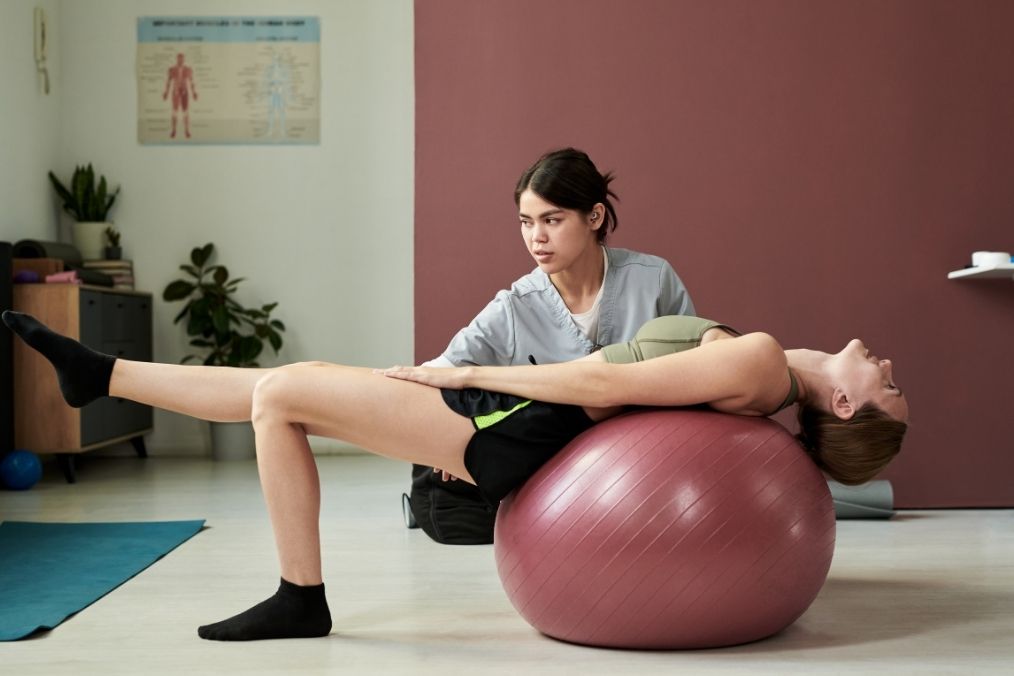
A recovery plan is only as good as the person guiding it.
Injury rehabilitation requires:
- Proper movement assessment
- Load management
- Understanding of biomechanics
A structured approach combining training and nutrition leads to better recovery than unplanned routines.
If you’re exploring professional support for recovery and long-term fitness, it’s important to follow a structured personal training approach that focuses on both safe progression and long-term resilience.
What Proper Rehabilitation Looks Like
A structured recovery process includes:
- Initial movement assessment
- Gradual progression based on healing, not pain
- Nutrition support for recovery
- Tracking progress with data
This ensures long-term results, not repeated setbacks.
Conclusion
Recovering from an injury isn’t just about feeling better it’s about rebuilding strength the right way.
By following a structured approach and avoiding common mistakes, you can return stronger, safer, and more confident without starting over again.