
- Training for a race once meant following a fixed workout plan and hoping the effort would pay off on race day. Athletes focused on running more miles, lifting heavier weights, and repeating the same routines without fully understanding what was actually improving performance.
- Today, fitness data and performance analytics are transforming race training. Athletes can now track detailed metrics, identify weak points, improve pacing strategies, and train smarter instead of simply training harder.
- From HYROX competitions and endurance races to functional fitness events, data-driven training is helping athletes improve performance with greater precision.
How Fitness Data Improves Race Training
- Most athletes already track basic metrics such as steps, heart rate, calories burned, and workout duration. However, modern race training requires deeper performance insights.
- In events like HYROX, competitors receive detailed split times for running segments and workout stations, including rowing, sled pushes, wall balls, burpee broad jumps, and more. This level of race performance analysis helps athletes understand exactly where they lose time during competition.
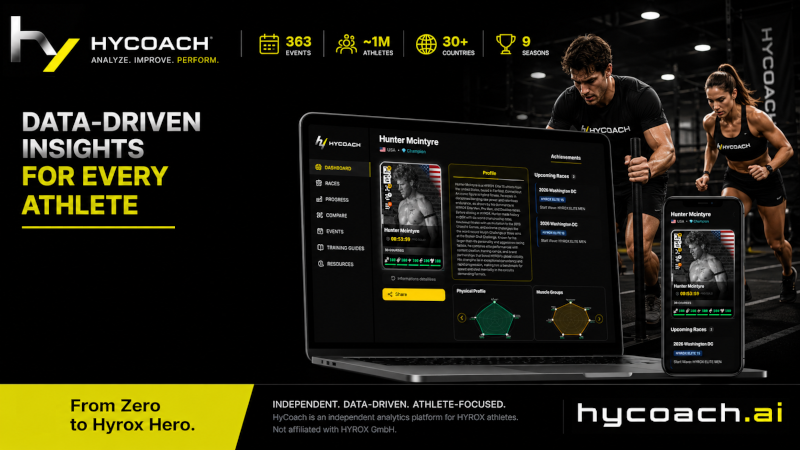
- Platforms like HyCoach aggregate these results across hundreds of events and nearly a million individual performances.
- Instead of relying on guesswork, athletes can use fitness analytics platforms and race tracking tools to compare performance, evaluate pacing, and identify weaknesses that need improvement.
- This shift from general training to data-driven race preparation is changing how endurance athletes approach competition.
What Race Performance Data Reveals About Athletes
When race training data is analyzed at scale, clear performance patterns begin to appear.
Strength Stations Create the Largest Performance Gaps
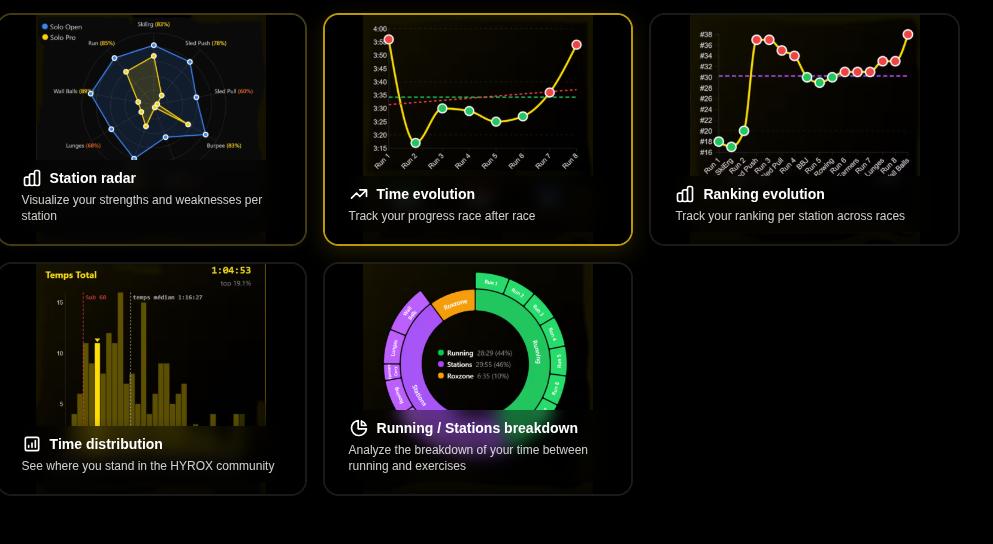
- In functional fitness races, strength-focused stations such as sled pushes and sled pulls often create the biggest differences between athletes. Some competitors complete these stations quickly, while others lose several minutes.
- This highlights the importance of functional strength, muscular endurance, and fatigue resistance during competition.
Pacing Strategy Matters More Than Raw Speed
- Many athletes start races too aggressively and lose momentum later. Race analytics consistently show that athletes who maintain a steady pace throughout the event usually perform better overall.
- Proper pacing strategy helps reduce fatigue and improves consistency across all race segments.
Transitions Can Waste Valuable Time
- Small delays between stations often go unnoticed during races. Walking between exercises, adjusting equipment, or taking extended recovery breaks can significantly impact final results.
- For many athletes, these transition periods account for a meaningful percentage of total race time.
Running Performance Declines Under Fatigue
- In multi-stage fitness races, running pace commonly slows as fatigue builds. Elite athletes typically maintain more consistent pacing because they manage energy output more effectively during strength stations.
- This demonstrates how strength training and endurance conditioning directly influence race performance.
How Athletes Can Use Fitness Data to Train Smarter
A data-driven training approach can improve preparation for almost any fitness event, including HYROX races, endurance competitions, obstacle course races, and functional fitness challenges.
Break Performance Into Individual Segments
- Instead of focusing only on overall finish time, athletes should analyze each section of the race separately. Identifying weak areas allows for more targeted improvements.
- Even one inefficient station can significantly affect total performance.
Train Under Realistic Race Fatigue
- Many athletes perform well during fresh workouts but struggle under race conditions. Training sessions should simulate fatigue by combining running intervals with functional exercises.
- For example, completing an 800-meter run before a sled push or wall ball set better reflects real race demands.
Track Progress Over Time
- One workout or race result provides limited insight. Tracking performance trends across multiple sessions helps athletes understand whether weaknesses are improving.
- Consistent performance tracking is essential for long-term progress.
Compare Performance Against Realistic Benchmarks
Instead of comparing results to elite athletes, competitors should benchmark against athletes slightly ahead of their current level. This creates more practical performance goals and clearer training direction. Tools like HyCoach make this comparison straightforward by providing percentile-level breakdowns across categories and divisions.
Why Data-Driven Training Is the Future of Racing
- Fitness data does not replace hard work it improves how athletes apply it.
- The athletes who improve fastest are often the ones who understand their weaknesses, manage pacing effectively, and adjust training based on real performance insights.
- As fitness tracking technology and race analytics continue to evolve, data-driven training will become an essential part of competitive performance improvement.
FAQ
How does fitness data improve race performance?
Fitness data helps athletes identify weaknesses, improve pacing, track recovery, and optimize training strategies using measurable performance insights.
Why is pacing important in endurance races?
Proper pacing prevents early fatigue and helps athletes maintain consistent performance throughout the race.
What is race performance analysis?
Race performance analysis involves reviewing metrics such as split times, transitions, strength station performance, and endurance output to improve future training.
How can athletes train smarter with data?
Athletes can use performance tracking tools to monitor progress, benchmark against competitors, and focus training on areas with the greatest performance impact.