
Your knee never seems to hurt at a convenient time. Maybe it starts aching after a weekend hike, a long run, an intense workout, or even after sitting at your desk for hours. When discomfort strikes, the first question most people ask is simple:
Should I use ice or heat for knee pain?
The answer depends on what’s causing the pain. Using the right therapy at the right time can help reduce discomfort, support recovery, and get you moving again sooner. Using the wrong one may not provide the relief you’re looking for.
This guide explains when to use ice, when to use heat, and when alternating both may be beneficial.
Ice or Heat for Knee Pain: Understanding the Difference
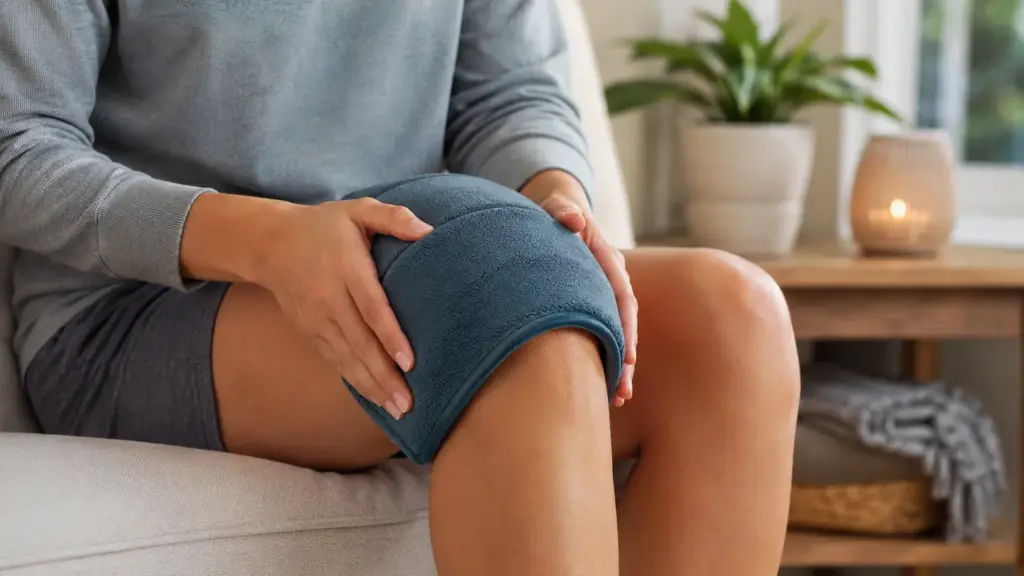
Ice and heat work in completely different ways.
- Cold therapy narrows blood vessels, helping reduce swelling and temporarily numb pain. That’s why healthcare professionals often recommend ice immediately after an acute injury.
- Heat therapy increases blood flow, relaxes muscles, and improves joint flexibility. It’s generally more effective for ongoing stiffness or chronic discomfort after the initial inflammation has settled.
A simple rule to remember is:
- Swollen? Use ice.
- Stiff? Use heat.
Understanding whether your knee is inflamed or simply tight is the first step toward choosing the right treatment.
When Should You Use Ice?
Ice is typically most effective during the first 24 to 72 hours after an injury.
Cold therapy can help if you’ve experienced:
- A twist or sudden knee injury
- A fall or awkward landing
- Swelling after exercise
- Pain accompanied by visible inflammation
- Overuse from running, hiking, or sports
Apply an ice pack wrapped in a towel for 15–20 minutes at a time. Allow your skin to return to its normal temperature before applying ice again.
As swelling begins to decrease, the benefits of continued icing become less significant.
When Is Heat the Better Choice?
Heat becomes more useful once swelling has resolved and stiffness becomes the main concern.
Heat therapy may help if you’re dealing with:
- Morning stiffness caused by arthritis
- Old knee injuries that still feel tight
- Muscle tension around the knee
- Stiffness after prolonged sitting
- Preparing your knee before gentle exercise or stretching
Heating pads, warm towels, hot showers, or warm baths can all provide relief by helping muscles relax and increasing circulation to surrounding tissues.
For many people with chronic knee discomfort, incorporating gentle heat into a daily routine can make movement more comfortable.
Can You Use Both Ice and Heat?
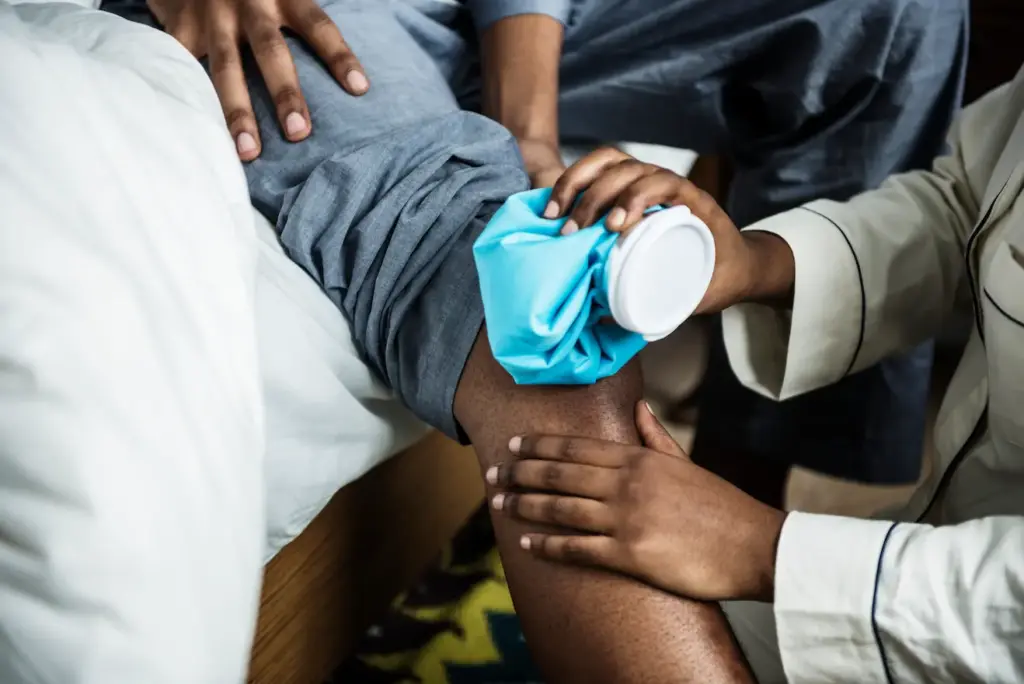
Yes. In some situations, alternating cold and heat can be helpful.
Many people recovering from injuries go through a stage where swelling has improved, but stiffness remains.
In these cases:
- Ice may help calm irritation after activity.
- Heat may help loosen muscles and improve flexibility before movement.
Alternating therapies should not replace professional medical advice, especially after significant injuries or surgery, but it can be useful during recovery when recommended by a healthcare professional.
Your Recovery Timeline Matters
The stage of your recovery often determines which treatment is most appropriate.
Immediately after an injury
Focus on reducing swelling with cold therapy, adequate rest, and following your healthcare provider’s recommendations.
During recovery
As inflammation subsides, heat may become more effective for improving flexibility and reducing muscle tightness before activity.
For chronic conditions
People living with osteoarthritis or long-term knee stiffness often benefit more from heat as part of their daily routine, while ice can still be useful after periods of increased activity that trigger swelling.
Making Heat Part of Your Routine
Consistency beats intensity here. A warm towel, a hot water bottle, or a soak in the tub all get the
job done. Holding a pack in place for fifteen minutes gets old fast. A knee massager with heat
solves that by pairing warmth with light compression, hands-free.
Fair question: do heated knee massagers work as well as a plain heating pad? Or is convenience the
real selling point? Honestly, both play a role. Warmth paired with gentle pressure genuinely
supports blood flow and eases tension. Add in the fact that a hands-free device is easier to stick
with. The appeal makes sense beyond marketing.
When Should You See a Doctor?
Home treatments can be effective for mild knee pain, but certain symptoms require medical evaluation.
Seek professional care if you experience:
- Swelling that continues for several days without improvement
- Difficulty putting weight on the affected leg
- A knee that locks, buckles, or feels unstable
- Severe pain after an injury
- Fever, redness, or warmth around the joint, which could indicate an infection
If your symptoms persist or worsen despite self-care, consult a qualified healthcare professional.
Bottom Line
There’s no universal winner in the ice or heat for knee pain debate.
Each serves a different purpose.
- Use ice to reduce pain and swelling after a recent injury.
- Use heat to relieve stiffness and improve mobility once inflammation has settled.
- In some situations, alternating both therapies may provide additional comfort during recovery.
The key is matching the treatment to your symptoms rather than relying on habit. If your knee pain is severe, persistent, or accompanied by instability, seek medical advice to determine the underlying cause.