
BCAAs are used for three things: faster muscle recovery, reducing muscle breakdown during training, and delaying fatigue in longer sessions. The standard dose is 5–10g per day, with at least 2.5g of leucine per serving. Timing around your workout matters more than the total daily amount.
What BCAAs Are Actually Used For
- Muscle Recovery
This is the most research-backed use. Leucine activates mTOR — the signal that tells your muscles to start rebuilding after training. A study in the Journal of the International Society of Sports Nutrition found BCAA supplementation measurably reduced recovery time and soreness compared to placebo.
Most useful for: adults over 40, high-frequency trainers, anyone doing unfamiliar exercise. If you’re over 40, this matters even more read about why recovery gets significantly harder after 40 and how BCAAs specifically help.

- Preventing Muscle Breakdown
During calorie deficits, fasted training, or long cardio sessions your body can break down muscle tissue for fuel. BCAAs particularly leucine and isoleucine block the enzymes responsible for this process, helping you preserve muscle even when conditions aren’t ideal.
Most useful for: people cutting weight, fasted morning trainers, endurance athletes. If you’re an endurance athlete, pairing BCAAs with how beta-alanine helps endurance athletes push further can give you a meaningful edge in longer sessions.
- Reducing Fatigue During Training
Valine competes with tryptophan for entry into the brain. Tryptophan produces the fatigue signal that makes you want to stop. Less tryptophan reaching the brain means you can push further before hitting a mental wall. The effect is moderate not dramatic but consistent across endurance research.
Most useful for: runners, cyclists, anyone doing sessions over 60 minutes.
Build a consistent daily movement habit alongside your supplement routine. O’Coach free workouts →
BCAA Dosage — Simple and Clear
| Goal | Dose | When |
|---|---|---|
| General recovery | 5–7g | After training |
| Muscle building | 8–10g | Before or after training |
| Fasted training | 5g | Before training |
| Endurance sessions | 5–10g | During training |
The number that matters most is leucine — you need at least 2.5g of leucine per serving to cross the activation threshold for muscle protein synthesis. In a standard 2:1:1 product, that means a minimum of 5g total per serving.
Best Time to Take BCAAs
- Before training — reduces breakdown during the session, useful for fasted workouts.
- During training — maintains amino acid availability in longer sessions over 60 minutes.
- After training — most common timing, supports the recovery and rebuilding window.
All three windows work. Pick the one that fits your routine and stay consistent with it.
Do You Need BCAAs if You Eat Enough Protein?
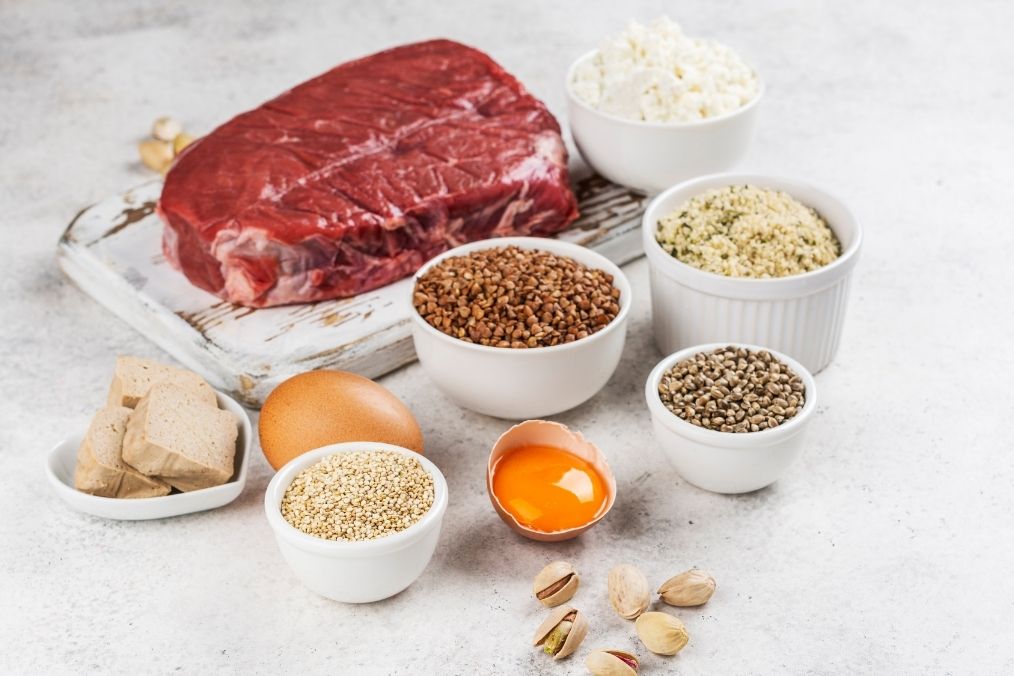
Honestly the benefit is smaller. If you consistently hit 1.6–2g of protein per kg of bodyweight daily through whole foods, BCAAs add marginal recovery support at best.
They become significantly more useful when:
- You train early morning without eating first
- You’re in a calorie deficit
- You’re over 40 and dealing with anabolic resistance
- You struggle to hit protein targets through food alone
- This point deserves its own deep dive read the full guide to BCAAs specifically for muscle preservation after 40 if this applies to you.
Possible Side Effects
BCAAs are safe at recommended doses for healthy adults. At very high doses above 20g daily some people experience digestive discomfort or nausea. If you have kidney or liver conditions, check with your doctor before supplementing.
The Bottom Line
BCAAs are a focused recovery tool not a muscle-building miracle. Use them strategically around training, hit the minimum 5g dose with a proper 2:1:1 ratio, and pair them with consistent movement and adequate protein. That combination produces real results.
Don’t have a movement routine yet? Start building that movement habit with O’Coach free workouts — no gym, no equipment needed.
FAQs
Should I take BCAAs every day?
✅ Yes consistency matters more than timing. Daily use, even on rest days, keeps amino acid levels steady and supports ongoing muscle repair.
Are BCAAs better before or after a workout?
✅ Both work before is better for fasted or long sessions, after supports recovery. If you can only pick one, go post-workout.
Do BCAAs actually build muscle?
❌ Not on their own they support recovery and reduce breakdown, but you still need adequate protein, training, and calories. A tool, not a shortcut.
Can I take BCAAs on rest days?
✅ Yes muscles repair on rest days too. BCAAs on off days support that process, especially if your protein intake is lower that day.
What is the best BCAA ratio?
✅ 2:1:1 (leucine:isoleucine:valine) the most research-backed ratio. You need at least 2.5g of leucine per serving to activate muscle protein synthesis. A standard 5g dose covers that.