
From pollution and stress to poor diet and lack of sleep, modern life puts your cells under constant pressure glutathione helps fight back.
What is glutathione?
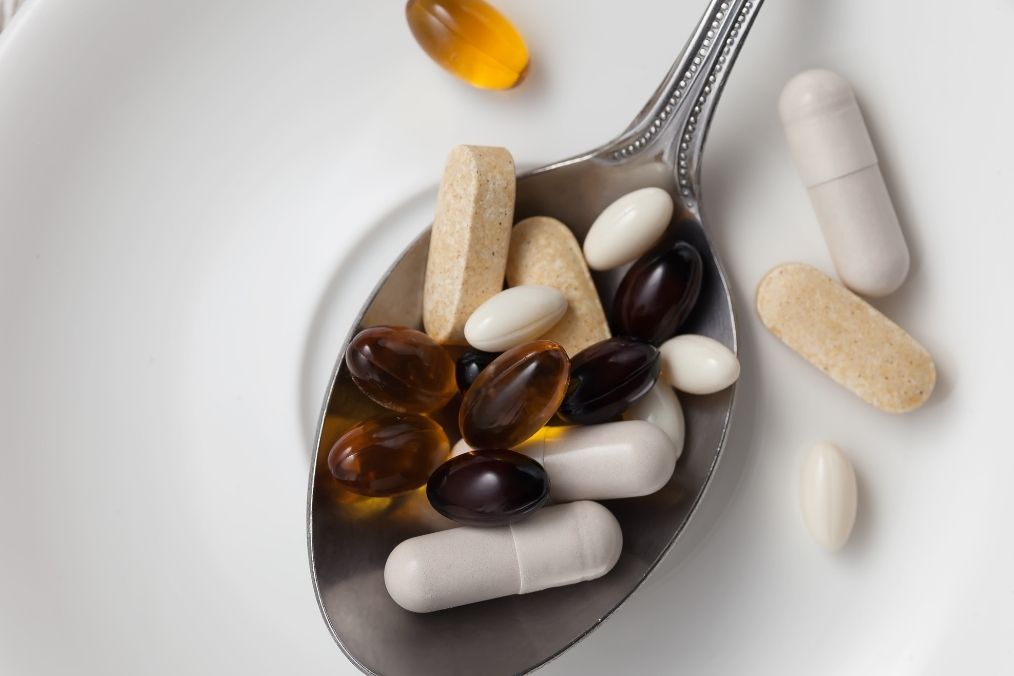
Glutathione is a naturally occurring tripeptide a small protein made from three amino acids:
- Glycine
- Cysteine
- Glutamate
Your liver produces it continuously, and it acts as your body’s primary antioxidant, neutralizing free radicals and protecting cells from oxidative damage.
Often called the “master antioxidant,” glutathione helps recycle and regenerate other antioxidants, such as vitamins C and E. Because glutathione levels may decline with age, stress, poor diet, and environmental toxin exposure, many people turn to supplements to help maintain optimal levels.
Glutathione is found in every cell in your body. Unlike most antioxidants, it’s produced internally but production slows significantly after the age of 40.
Top health benefits of glutathione
Research has identified several well-supported roles for this powerful antioxidant. Here are the key glutathione benefits backed by clinical evidence:
1. Powerful Antioxidant Protection
Helps neutralize harmful free radicals and protects cells from oxidative damage, supporting overall health and healthy aging.
2. Supports Natural Detoxification
Plays a key role in liver function by helping remove toxins, heavy metals, and other unwanted substances from the body.
3. Promotes Brighter, Healthier-Looking Skin
May help reduce melanin production, contributing to a more radiant, even-toned complexion.
4. Strengthens Immune Function
Supports the activity of immune cells and helps maintain a healthy immune response.
5. Enhances Energy Production
Supports mitochondrial health, allowing cells to produce energy more efficiently and helping reduce fatigue.
6. Supports Cellular Repair & Recovery
Protects DNA, proteins, and cell membranes from oxidative stress while aiding the body’s natural repair processes.
7. Promotes Brain & Cognitive Health
Helps protect nerve cells from oxidative damage and supports long-term neurological wellness.

Glutathione for skin whitening & brightening
- One of the most searched glutathione benefits particularly across South and Southeast Asia is its effect on skin tone. Glutathione inhibits the enzyme tyrosinase, which plays a key role in melanin synthesis. Less melanin means lighter, more even skin pigmentation.
- Studies using oral glutathione supplements and topical applications have shown modest brightening effects over 4–12 weeks of consistent use. However, results vary widely by skin type, dosage, and supplement form.
Important: Injectable glutathione for skin whitening is not approved by the FDA and carries serious health risks including kidney damage, nerve damage, and infection. Always consult a dermatologist before choosing any skin-lightening approach.
Does glutathione actually absorb when taken orally?
Yes, but how well it absorbs depends on the form.
Regular oral glutathione (basic capsules):
→ Some absorption happens, but it may be broken down in the gut, so effect is limited.
Better-absorbed forms:(Advance Form)
- Liposomal glutathione → improves absorption significantly
- S-acetyl glutathione → more stable, survives digestion better
Indirect approach (often more effective):
- NAC (N-acetyl cysteine) → helps your body produce its own glutathione, often considered more reliable
How to increase glutathione naturally
Before reaching for a supplement, consider supporting your body’s natural glutathione production through diet and lifestyle choices.
- Eat a diet rich in sulfur-containing foods, which provide key building blocks for glutathione synthesis.
- Include foods high in vitamin C, selenium, and quality protein to support antioxidant production.
- Engage in regular physical activity, particularly aerobic exercise, which may help increase glutathione levels.
- Prioritize sleep and stress management, as chronic stress can contribute to oxidative stress and lower glutathione levels.
- Limit excessive alcohol consumption and avoid unnecessary exposure to environmental toxins, which can deplete glutathione stores.
- For metabolic balance alongside detox support, see how Berberine helps with metabolism.
What Are the Natural Food Sources of Glutathione?
While the body produces glutathione naturally, certain foods can help maintain healthy levels or provide nutrients needed for its production.
Foods that naturally contain glutathione:
- Avocados
- Asparagus
- Spinach
- Broccoli
- Brussels sprouts
- Cabbage
- Watermelon
Foods that support glutathione production:
- Garlic
- Onions
- Eggs
- Fish
- Chicken and lean meats
- Citrus fruits
- Bell peppers
- Kale
- Cauliflower
- Legumes
- Nuts and seeds
A balanced diet that includes a variety of fruits, vegetables, and protein-rich foods can help support optimal glutathione levels and overall health.
Side effects & safety considerations of glutathione supplement
Oral glutathione supplements are generally considered safe for most healthy adults when taken at recommended doses (250–1,000 mg/day). However, a few considerations apply:

Possible side effects of glutathione supplements may include:
- Mild digestive discomfort
- Bloating
- Skin rashes (especially at higher doses)
- Nausea in some users
Important things to know:
- Long-term supplementation may affect the body’s natural glutathione production
- People with asthma should use caution, as glutathione may trigger breathing issues in some cases
- Pregnant or breastfeeding individuals should avoid glutathione supplements unless advised by a healthcare professional
Always consult a healthcare professional before starting any supplement routine.
Who should consider a glutathione supplement?
Glutathione supplements may be helpful for people who:
- Are over 40 and want antioxidant support
- Experience high stress or oxidative stress
- Want support for liver health
- Are interested in skin wellness and brightening support
However, if you already eat a healthy diet with enough protein, fruits, and vegetables, your body may naturally produce healthy glutathione levels.
In many cases, starting with good nutrition and supplements like NAC (N-acetylcysteine) may be a simpler and more affordable option before trying glutathione supplements.
Frequently asked questions
How long does it take for glutathione supplements to work?
Most users report noticeable changes in skin tone and energy levels after 4–12 weeks of consistent daily use. Results depend on dosage, form (liposomal vs. standard), and individual health status.
What is the best time to take glutathione supplements?
Most research suggests taking glutathione on an empty stomach for better absorption either first thing in the morning or 30 minutes before meals. Liposomal forms can typically be taken with or without food.
Can I take glutathione and vitamin C together?
Yes vitamin C actually helps recycle and regenerate glutathione in the body. Taking them together is considered synergistic and is a common practice among integrative health practitioners.
Is liposomal glutathione better than regular glutathione?
For most people, yes. Liposomal delivery protects the molecule from digestive breakdown and has shown higher plasma absorption in clinical studies compared to standard capsule or tablet forms.