
Here’s a not-so-fun fact:
Muscle mass peaks in a person’s late 20s or early 30s and then gradually declines over time.
According to some studies, people lose 3–8% of muscle every 10 years after the age of 30, and that’s a big problem when you consider how muscle directly impacts quality of life.
All of that considered, it’s easy to see how protein has become something of a buzzword within the fitness niche these days. But it’s more than just a trend.
Wondering how you can maintain and grow your muscle mass with the help of some added protein? Here’s how to start.
Why Is Protein Important for Exercise?
There are three main types of macronutrients, which are essentially nutrients that your body needs for energy, and these include carbohydrates, fats, and protein.
Made up of amino acids, proteins are often called “the building blocks” of the body because they build and repair various tissues in our bodies, most notably our muscles.
What Does Protein Do for Your Muscles?
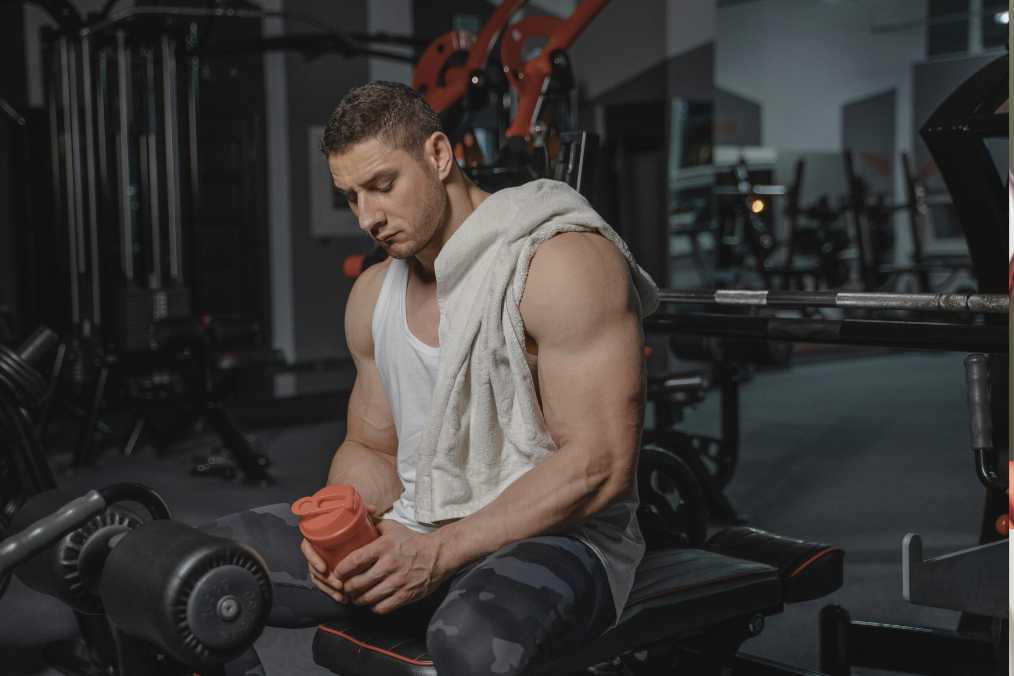
During exercise, your muscles experience some level of wear and tear, especially during resistance training.
This happens mostly when you strain at the end of a set and feel fatigue building up in the muscles you’re targeting.
After the workout and during your recovery period, your body takes available protein to repair those tears and strengthen those muscles.
This results in growth, which may appear to you as fuller, more defined muscles over time.
Is Protein Only Important for Muscle Growth?
Contrary to popular belief, protein isn’t something just for bodybuilders and gym rats.
While protein is essential for muscle growth, it’s also necessary for simply maintaining available muscle.
On top of that, protein uses more calories just to digest, and it makes us feel satiated for longer, which may help keep our caloric intake in check.
All things considered, protein is something that everyone needs, and every person should be mindful of how much protein they get in a day because, as you’ll learn, it’s actually pretty easy to consume far less protein than our bodies need.
How Much Protein Do You Need Per Day?
According to studies, most healthy adults need around 0.8 grams of protein per kilogram of body weight per day to meet basic physiological needs.
But those who exercise regularly may benefit from a slightly increased intake of 1.2 grams to 2.0 grams per kilogram of body weight.
How Much Protein Does a 60 kg Person Need?
So, for instance, a person weighing 60 kg with a sedentary lifestyle or who engages in light physical activity throughout the day may need around 48 grams of protein per day.
If they’re active, that number could increase dramatically, up to 72 grams to a ceiling of 120 grams of protein per day.
Keep in mind that these are not strict, daily targets.
People who aim roughly within the range will likely still see the benefits of their monitored protein intake even if they fall short by a few grams every day.
What Are the Best Whole-Food Sources of Protein?
There are a lot of protein supplements on the market today, but the best source is still the food that you eat daily.
People who have enough time for shopping, meal prep, and kitchen clean-up can satisfy their daily protein needs using the whole foods they have in their pantry.
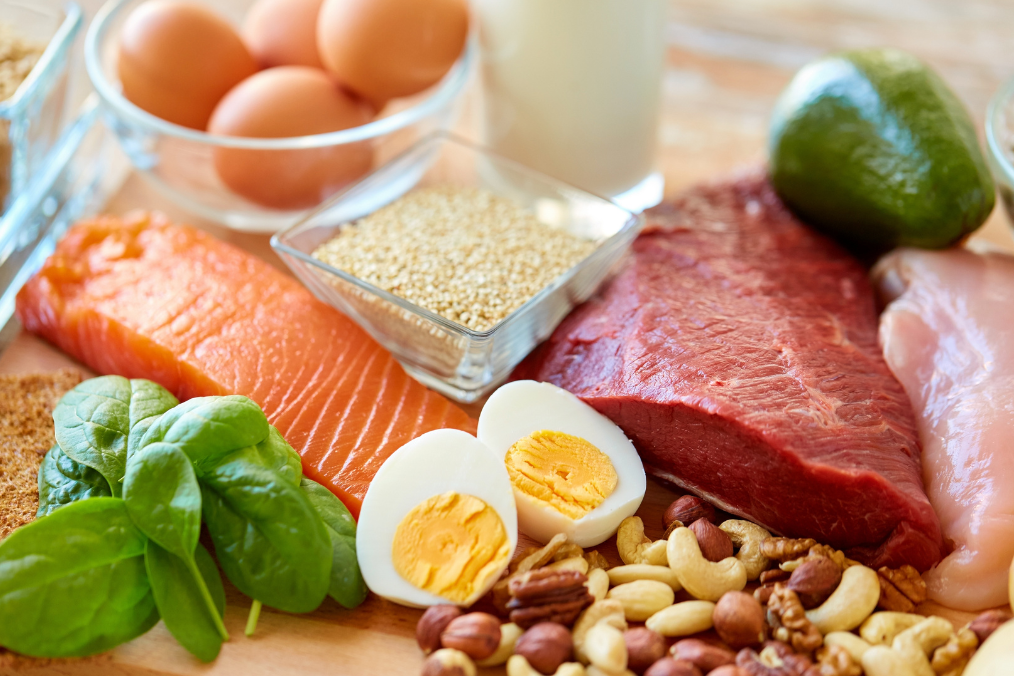
Some excellent sources of protein include:
- Chicken and turkey
- Fish
- Lean beef
- Eggs
- Milk, yogurt, and cheese
- Soy foods like tofu and tempeh
- Beans, lentils, and chickpeas
- Nuts and seeds
Eating a variety of these foods also satisfies many of the micronutrient requirements of our bodies throughout the day, which is why it’s always ideal to target protein needs with whole foods first, because they provide much more than the macros.
When Should You Take a Protein Supplement?
You don’t necessarily need a protein supplement, but it may come in handy for people who:
- Struggle to meet protein needs with whole foods
- Do not have enough time to plan out and prepare protein-rich meals
- Prioritize convenience
- Travel frequently
If your daily diet, routine, or schedule doesn’t allow you to meet your protein needs, then it may help to add a protein supplement to your diet.
There are various types of protein supplements sold on the market today, including:
What Are the Different Types of Protein Supplements?
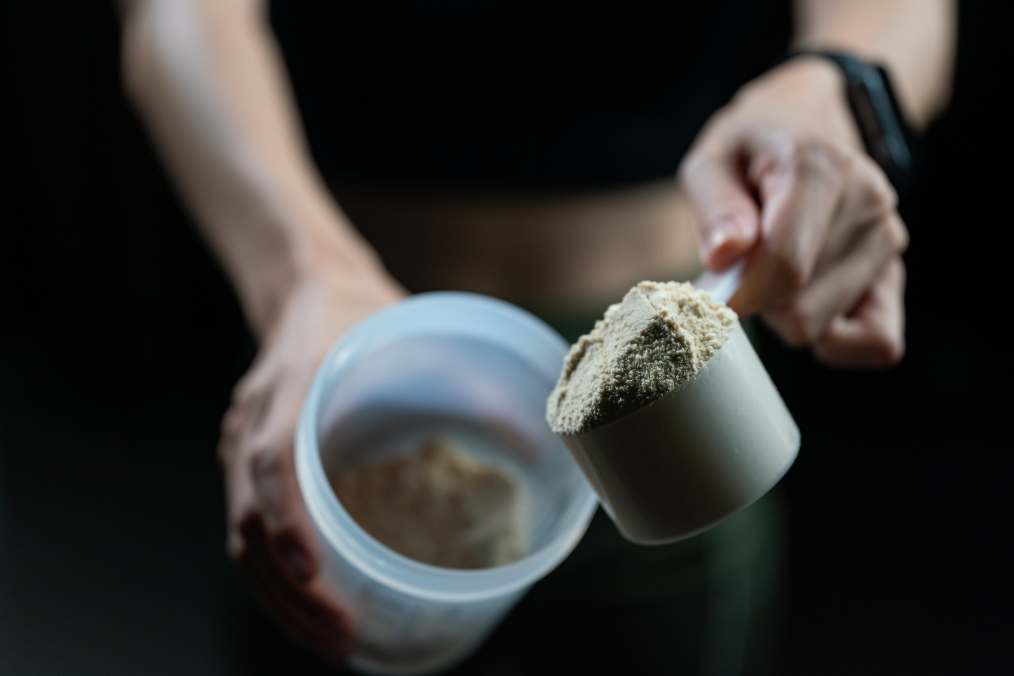
Whey Protein Concentrate
Whey protein is a byproduct of cheese production.
The curds form the cheese, while the remaining liquid is filtered, purified, and dried to produce whey protein concentrate.
This option contains a high amount of protein along with small amounts of carbohydrates and fat. It is usually the most affordable option and works well for most healthy adults.
Whey Protein Isolate
Whey isolate goes through additional processing to remove more fat and lactose from whey concentrate, resulting in a higher percentage of protein per serving.
People with lactose sensitivity may find that whey protein isolate provides a more comfortable experience for the gut.
Casein Protein
Casein is another milk-derived protein, but it digests more slowly than whey.
Some people choose to use it between meals or before bed because it provides a slower release of amino acids.
Plant-Based Protein
Plant proteins were specifically developed for people with dietary restrictions, including but not limited to vegetarians and vegans.
These products also work best for people who try to avoid dairy for whatever personal or dietary limitations.
Common sources of plant proteins include:
- Pea protein
- Soy protein
- Brown rice protein
- Hemp protein
Most plant-based protein supplements combine these types in order to provide a more complete amino acid profile.
How Do You Choose a Quality Protein Powder?
How Do You Choose a Quality Protein Powder?
Not all protein powders are created equal. When choosing one, consider the following factors:
- Protein content: Aim for around 20–30 g of protein per 28–35 g serving. This provides a protein concentration of roughly 70%–85%, offering a good balance of protein without unnecessary calories.
- Ingredients: Look for a simple ingredient list with minimal fillers and added sugars, especially if you’re following a calorie-controlled diet.
- Third-party testing: Independent testing can help verify that a product contains what the label claims and is screened for potential contaminants.
- Flavor and texture: Taste and texture matter for long-term use. A protein powder you enjoy is more likely to become a consistent part of your routine.
Choosing a protein powder based on its nutritional profile, ingredient quality, testing, and taste can help you find an option that fits your fitness and dietary goals.
Should You Start Taking Protein Powder?
Should You Start Taking Protein Powder?
Whether you’re trying to build muscle or not, protein is a vital part of the human diet.
Responsible for maintaining proper muscle function, protein is something everyone should look into getting enough of, especially as we age.
If you think you might need a protein supplement to meet your daily needs, a best whey protein powder can be a convenient way to help meet your daily protein requirements.
However, protein supplements aren’t necessary for everyone. If you can meet your protein needs through a balanced diet, whole-food sources should remain the foundation of your nutrition.