Do you feel stiff when bending, reaching, or performing everyday movements? Limited flexibility can make certain activities uncomfortable and restrict your range of motion. The good news is that regular stretching can help you move more comfortably and gradually improve flexibility.
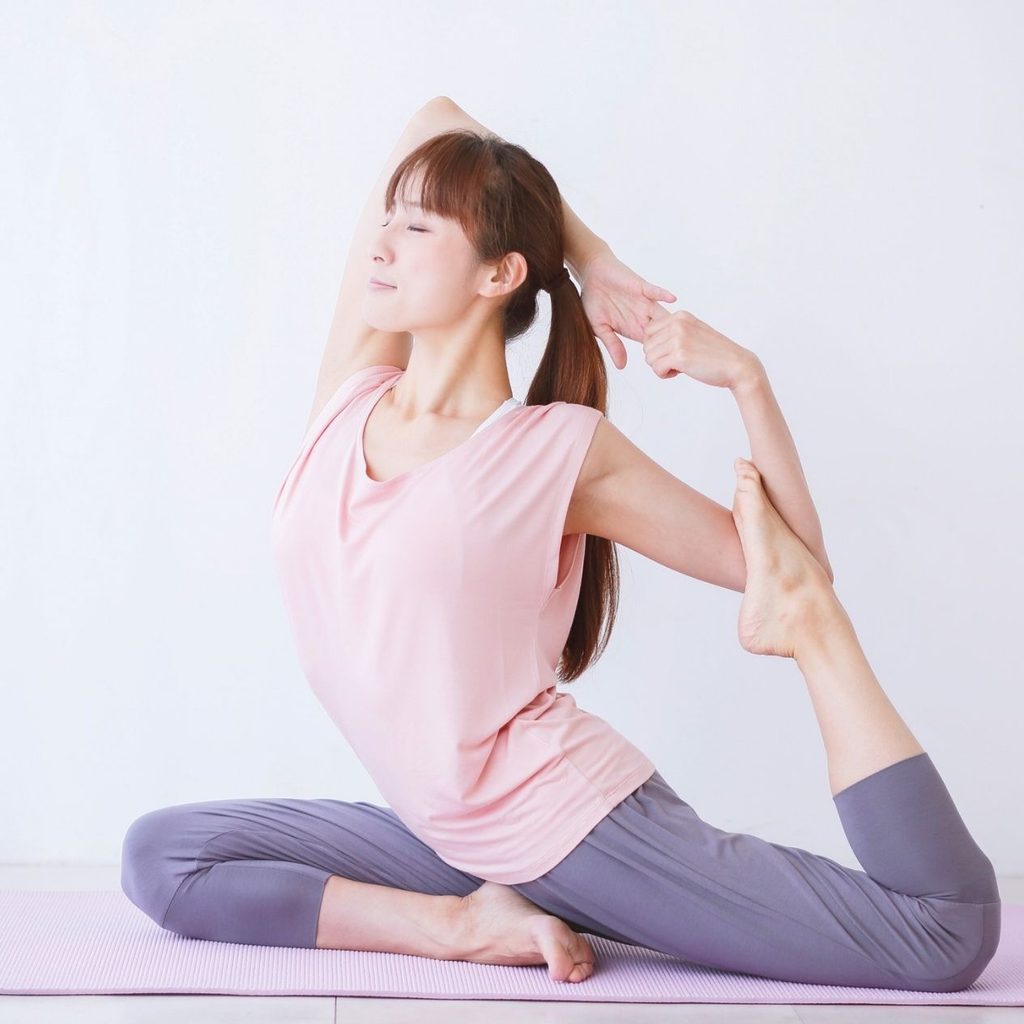
Want to improve upper-body mobility and work on your posture? Try the O’Coach posture correction and upper-body flexibility routine for guided exercises.
Why Is Flexibility Important?
Flexibility refers to how comfortably your muscles and joints move through their available range of motion. It plays an important role in everyday activities, exercise, and overall mobility.
Improving flexibility can help you:
- Move more comfortably: Better flexibility can make activities such as bending, reaching, and walking easier.
- Maintain joint mobility: Regular movement helps you work through your joints’ available range of motion.
- Improve exercise technique: Adequate flexibility can help you achieve better positions during exercises such as squats and lunges.
- Reduce muscle stiffness: Gentle stretching can help ease the feeling of tightness after sitting or staying in one position for too long.
- Support physical activity: A comfortable range of motion can make it easier to participate in different workouts and daily activities.
8 Best Stretches for Flexibility
If you’re wondering how to improve flexibility, start with simple stretches that target different muscle groups. Perform each movement slowly and avoid forcing your body into uncomfortable positions.
1. Standing Hamstring Stretch
The hamstring muscles at the back of your thighs play an important role in walking, bending, and lower-body movements. This stretch helps improve flexibility in the back of your legs.
How to do it:
- Stand upright and place one heel slightly in front of you.
- Keep the extended leg straight with your toes pointing upward.
- Bend your opposite knee slightly and push your hips backward.
- Lean forward gently until you feel a stretch behind your extended thigh.
- Hold for 20–30 seconds and switch legs.
2. Standing Quadriceps Stretch
Your quadriceps are the muscles at the front of your thighs. Stretching them can help improve flexibility around the front of your hips and thighs.
How to do it:
- Stand upright and hold a wall or stable surface for support.
- Bend one knee and bring your heel towards your glutes.
- Hold your ankle with your hand.
- Keep your knees close together and gently move your hips forward.
- Hold for 20–30 seconds before switching sides.
Improve hip mobility with simple, guided movements. Explore the O’Coach hip mobility and stretching routine to work on your lower-body flexibility.
3. Butterfly Stretch
The butterfly stretch targets your inner thighs and groin muscles. It is a useful addition to a stretching routine for flexibility.
How to do it:
- Sit on the floor with your back straight.
- Bring the soles of your feet together.
- Hold your feet with both hands.
- Allow your knees to move gently towards the floor without pushing them down.
- Hold for 20–30 seconds while breathing normally.
4. Cat-Cow Stretch
The cat-cow stretch gently moves your spine through flexion and extension. It can help improve spinal mobility and reduce the feeling of stiffness in your back.
How to do it:
- Start on your hands and knees with your wrists below your shoulders.
- Inhale and gently lift your chest and tailbone while allowing your back to arch.
- Exhale and round your spine, bringing your chin towards your chest.
- Move slowly between both positions.
- Repeat for 8–10 controlled repetitions.
5. Low Lunge Hip Flexor Stretch
Sitting for long periods can leave your hip flexors feeling tight. This stretch targets the muscles at the front of your hips.
How to do it:
- Start in a half-kneeling position with one foot in front.
- Keep your front knee bent and your back knee resting on a comfortable surface.
- Gently tighten your core and tuck your pelvis slightly.
- Move your hips forward until you feel a stretch at the front of your back hip.
- Hold for 20–30 seconds and switch sides.
6. Doorway Chest Stretch
The doorway chest stretch targets your chest muscles, which can feel tight after spending long periods sitting or working at a desk.
How to do it:
- Stand in a doorway and place your forearms against the doorframe.
- Keep your elbows around shoulder height.
- Step one foot forward slowly.
- Gently lean your chest forward until you feel a stretch across your chest.
- Hold for 20–30 seconds.
7. Overhead Triceps Stretch
This stretch targets the triceps at the back of your upper arms and can help improve flexibility around your shoulders and elbows.
How to do it:
- Stand or sit comfortably with your back straight.
- Raise one arm overhead and bend your elbow.
- Let your hand move towards the opposite shoulder blade.
- Use your other hand to gently guide your elbow backward.
- Hold for 20–30 seconds and switch arms.
8. Child’s Pose
Child’s pose is a gentle stretch that targets your back, shoulders, and hips. It is a useful movement to include towards the end of your stretching routine.
How to do it:
- Start on your hands and knees.
- Slowly move your hips backward towards your heels.
- Extend your arms forward and lower your chest towards the floor.
- Rest your forehead comfortably on the mat.
- Hold for 20–30 seconds while breathing slowly.
How Often Should You Stretch to Improve Flexibility?
Consistency is more important than stretching for long periods in a single session. If you want to get more flexible, aim to stretch regularly rather than relying on occasional sessions.
A practical starting point is:
- Stretch for around 10–15 minutes per session.
- Practise at least 3–5 days per week.
- Hold static stretches for 20–30 seconds.
- Repeat each stretch 2–3 times if comfortable.
- Increase your range of motion gradually instead of forcing deeper stretches.
You can also include gentle dynamic movements, such as arm circles and leg swings, before exercise to prepare your body for activity.
Tips to Become More Flexible
If you’re building flexibility as a beginner, a few simple habits can help you stay consistent:
- Warm up first: Walk or move gently for 5 minutes before static stretching.
- Avoid bouncing: Use slow, controlled movements when holding a stretch.
- Breathe normally: Avoid holding your breath or tensing your muscles.
- Do not force a stretch: You should feel gentle tension, not sharp pain.
- Target different muscle groups: Include stretches for your hips, legs, back, chest, and shoulders.
- Be patient: Flexibility develops gradually, and progress varies from person to person.
Make flexibility training part of your regular fitness routine. Download the O’Coach app and explore guided exercises to support your mobility and fitness goals.
Final Thoughts
Learning how to improve flexibility does not require complicated exercises or lengthy workout sessions. Start with a few simple stretches, practise them consistently, and gradually build your range of motion. With regular effort, you can become more flexible and move more comfortably during everyday activities and exercise.
How to Improve Flexibility: 8 Best Stretches for Beginners