
Astaxanthin has emerged as one of the most talked-about antioxidants in the wellness world. Found naturally in algae and seafood such as salmon and shrimp, this powerful carotenoid is known for its ability to combat oxidative stress and support healthy aging.
But what exactly does astaxanthin do, who should take it, and is it worth adding to your supplement routine?
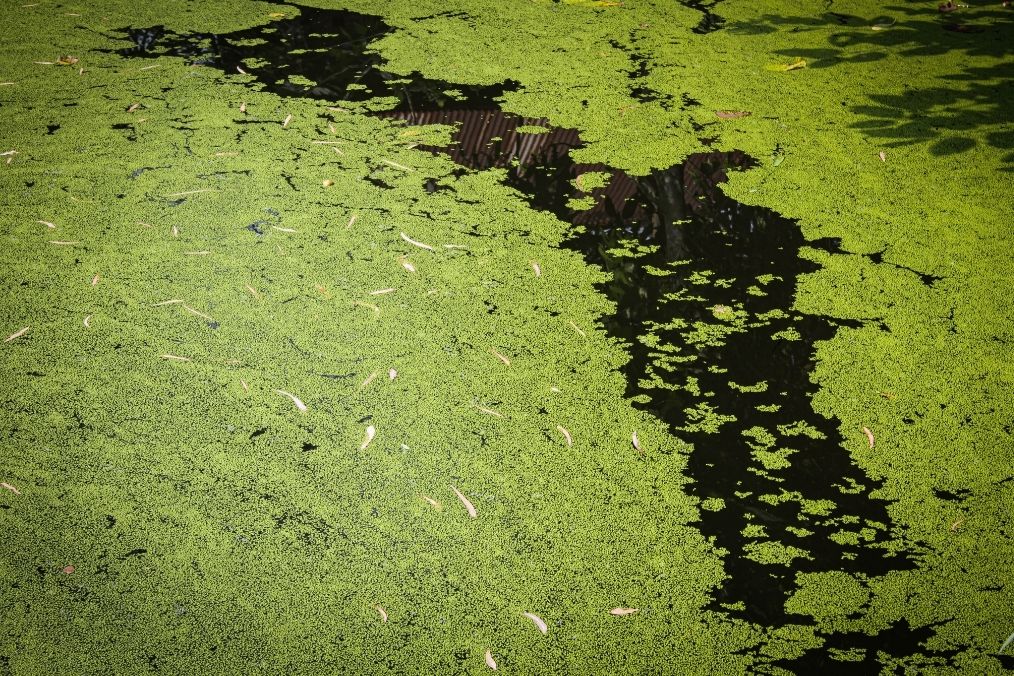
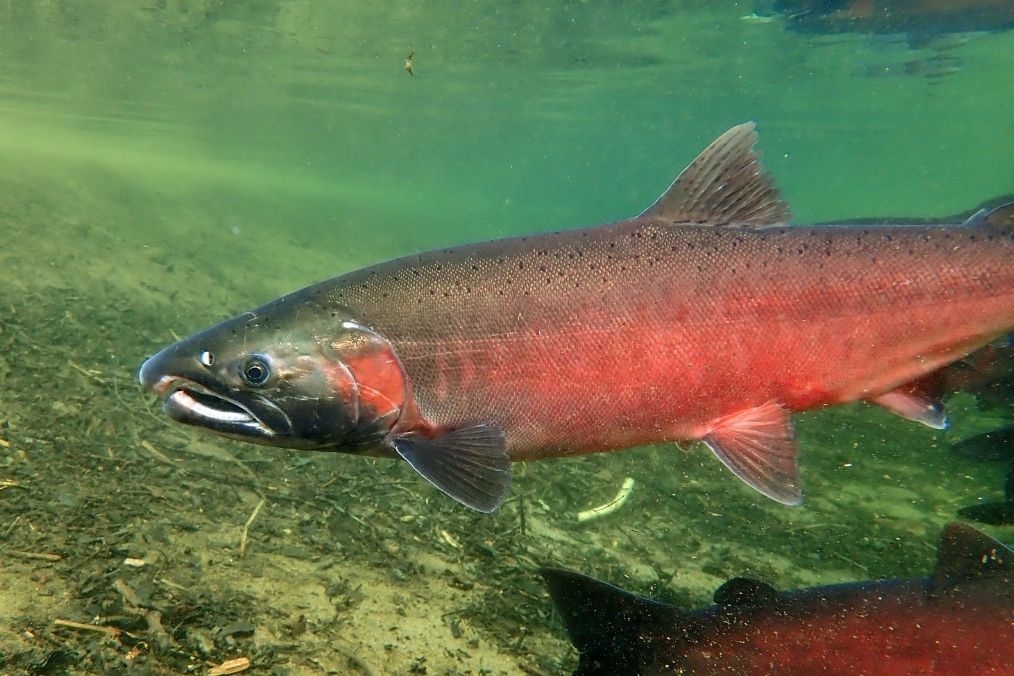
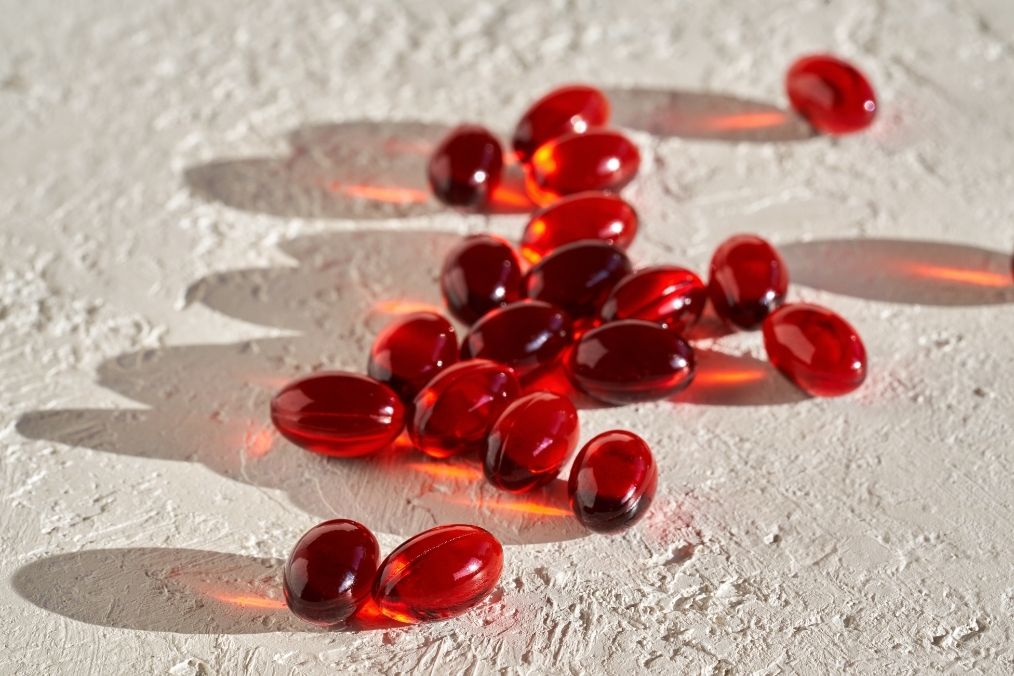
The natural source of astaxanthin
Naturally accumulated in marine life
Delivered in concentrated supplement form
What Is Astaxanthin?
Astaxanthin is a naturally occurring red-orange pigment belonging to the carotenoid family. It is produced primarily by microalgae and accumulates in marine animals such as salmon, trout, shrimp, krill, and lobster.
- What makes astaxanthin unique is its potent antioxidant activity, which helps protect cells from free-radical damage caused by aging, pollution, UV exposure, and everyday stress.
Why Do We Need Astaxanthin?
Every day, our bodies are exposed to factors that generate free radicals, including pollution, UV radiation, stress, poor diet, and intense physical activity. When free radicals build up faster than the body can neutralize them, they can cause oxidative stress a process linked to aging, inflammation, and cellular damage.
Astaxanthin is a powerful antioxidant that helps protect cells from oxidative stress and supports the body’s natural defense systems. Research suggests it may play a role in maintaining healthy skin, supporting eye comfort, promoting exercise recovery, and protecting overall cellular health.
Every day, the body is exposed to oxidative stress from factors such as:
- Pollution
- UV radiation
- Poor diet
- Smoking
- Alcohol consumption
- Physical and mental stress
- Natural aging
While the body has its own antioxidant defenses, nutrients like astaxanthin can provide additional support, especially in today’s fast-paced and environmentally challenging world.
What Are the Benefits of Astaxanthin?
Improves Skin Appearance and Protects Against Premature Aging
Astaxanthin helps protect the skin from oxidative stress caused by UV exposure and environmental pollutants. Research suggests it may improve skin hydration, elasticity, and smoothness while reducing the appearance of fine lines and wrinkles.
Reduces Eye Fatigue From Prolonged Screen Time
If you spend hours looking at digital screens, astaxanthin may help reduce eye strain, improve visual comfort, and support overall eye health by protecting sensitive eye tissues from oxidative damage.
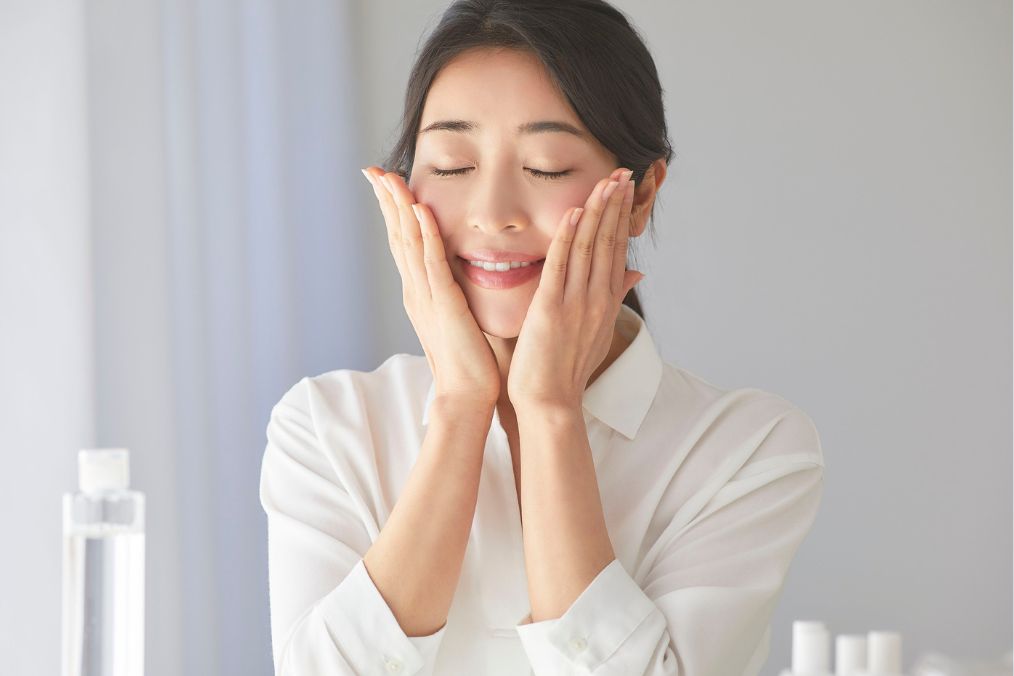


Supports skin health and healthy aging
Supports visual comfort and eye health
May enhance recovery and endurance
Supports Faster Recovery After Exercise
Exercise creates oxidative stress that can contribute to muscle fatigue and soreness. Astaxanthin may help support recovery, reduce exercise-induced fatigue, and improve endurance, making it popular among athletes and active individuals.
Promotes Long-Term Heart Health
Oxidative stress can negatively impact blood vessels and circulation over time. Astaxanthin may help support healthy blood flow, cardiovascular function, and overall heart wellness.
Helps Protect Brain Cells as You Age
Because astaxanthin can cross the blood-brain barrier, it may help protect brain cells from oxidative damage and support healthy cognitive function as part of the aging process.
Who May Benefit Most from Astaxanthin?
Astaxanthin may be particularly beneficial for:
- Adults concerned about healthy aging
- Individuals exposed to high levels of sun or pollution
- Athletes and physically active individuals
- People experiencing frequent eye strain from screens
- Those seeking additional skin health support
- Individuals looking to strengthen antioxidant protection
What Is the Recommended Dosage?
There is no official Recommended Dietary Allowance (RDA) for astaxanthin.
However, most studies have used doses ranging from:
- 4 mg to 12 mg daily for general health support
- 6 mg to 12 mg daily for skin health and antioxidant benefits
- Higher doses may be used in research settings under professional supervision
Astaxanthin is best taken with a meal containing healthy fats, as it is a fat-soluble compound and is absorbed more effectively this way.
Natural Food Sources of Astaxanthin
Astaxanthin is naturally found in:
- Salmon
- Trout
- Shrimp
- Krill
- Lobster
- Crab
- Microalgae
Because food sources contain relatively small amounts, supplements are often used to achieve research-backed dosages.
Potential Side Effects of Astaxanthin
Astaxanthin is generally considered safe and well tolerated when taken at recommended doses.
Possible side effects may include:
- Mild stomach discomfort
- Increased bowel movements
- Temporary skin pigmentation changes in rare cases
Individuals who are pregnant, breastfeeding, taking prescription medications, or managing chronic health conditions should consult a healthcare professional before use.
Is Astaxanthin Worth Taking?
If you’re looking for a supplement that supports skin health, eye comfort, exercise recovery, and healthy aging while providing powerful antioxidant protection, astaxanthin may be worth considering.
While it is not a replacement for a healthy lifestyle, research suggests that astaxanthin can be a valuable addition to a balanced diet and wellness routine.