
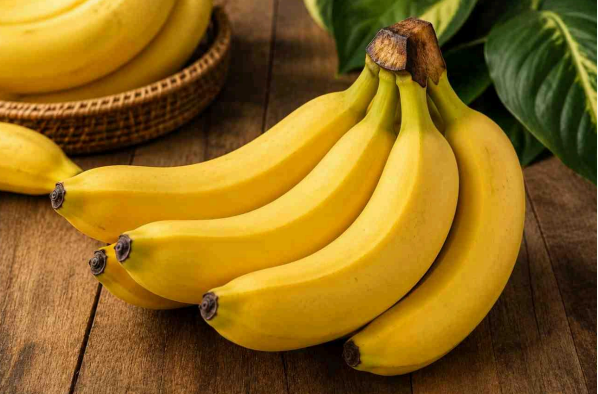
Eating a banana before bed is perfectly safe for most healthy adults.. Despite common myths, eating a banana at night does not automatically cause weight gain or lead to unhealthy blood sugar spikes.
Your body doesn’t suddenly switch into “fat storage mode” after sunset. Weight management depends primarily on factors such as your total calorie intake, overall diet quality, portion sizes, physical activity, and individual health needs not simply whether you eat a banana before bed.
If it fits within your daily nutrition goals, eating a banana before bed can be a simple, nutritious, and satisfying nighttime snack.
What’s Inside a Banana?
A medium-sized banana contains approximately 105 calories and provides several essential nutrients. Instead of being an “unhealthy nighttime snack,” a banana provides vitamins, minerals, carbohydrates, and fiber that can contribute to a balanced diet.
Here’s what you get in approximately one medium banana:
- Potassium (about 422 mg): Supports normal muscle and nerve function and plays an important role in maintaining healthy blood pressure.
- Magnesium (about 32 mg): Contributes to normal muscle and nerve function and is involved in hundreds of biochemical processes in the body.
- Vitamin B6 (about 0.4 mg): Helps with several metabolic processes and is involved in the production of neurotransmitters, including serotonin.
- Fiber (about 3 grams): Supports digestive health, promotes fullness, and can help moderate how quickly carbohydrates are digested.
- Natural sugars (about 14 grams): Bananas naturally contain fructose, glucose, and sucrose. Unlike many processed sweet snacks, these sugars come packaged with fiber and important nutrients.
Because of their combination of potassium, magnesium, vitamin B6, fiber, and carbohydrates, bananas can be a nutritious fruit to include in your diet at any time of day.
When eaten in moderation as part of a balanced diet, a banana at night can provide valuable nutrients without automatically interfering with weight-management goals.
Benefits of Eating a Banana Before Bed
1. Bananas Contain Nutrients Involved in Sleep and Relaxation
One potential benefit of eating a banana at night is its nutrient profile. Bananas contain tryptophan, which is involved in the production of serotonin and melatonin—compounds that help regulate the sleep-wake cycle.
They also provide magnesium and potassium, which support normal muscle and nerve function. While a banana isn’t a sleep remedy, it can be a light and nutritious snack before bed.
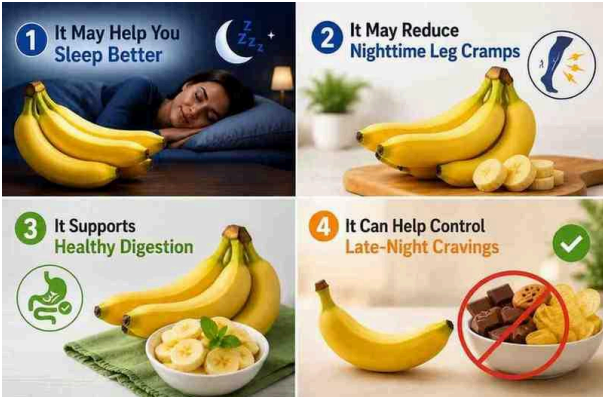
2. It Supports Normal Muscle Function
Bananas provide potassium and magnesium, two minerals important for normal muscle and nerve function. This can make them a useful addition to a balanced diet, particularly for physically active people.
However, bananas shouldn’t be considered a treatment for nighttime leg cramps, which can have several different causes.
3. It Supports Healthy Digestion
A medium banana provides around 3 grams of fiber, which supports healthy digestion and regular bowel movements. Fiber may also help support beneficial gut bacteria.
Bananas can be a convenient, light nighttime snack, although people who experience bloating or digestive discomfort may prefer eating them earlier.
4. It Can Help Manage Late-Night Cravings
A banana can be a healthier alternative to calorie-dense nighttime snacks such as cookies, chips, or ice cream. Its natural sweetness can satisfy cravings, while its fiber helps promote fullness.
Replacing highly processed snacks with whole fruit can also make it easier to manage overall calorie intake while still enjoying something sweet.
Possible Side Effects of Eating a Banana at Night
For most healthy adults, eating a banana before bed is generally safe. However, there are situations where you may need to be more mindful.
1. Blood Sugar Considerations for People With Diabetes
- Bananas naturally contain carbohydrates and sugars that can raise blood glucose levels.
- Although bananas also provide fiber, people with diabetes or prediabetes may need to consider their portion size, banana ripeness, overall carbohydrate intake, and individual blood-glucose response.
- Pairing a banana with a source of protein or healthy fat, such as Greek yogurt, cottage cheese, nuts, or peanut butter, may create a more balanced snack and improve fullness.
- People managing diabetes should follow the dietary guidance provided by their doctor or registered dietitian.
2. Some People May Experience Acid Reflux or Bloating
- Some people with acid reflux (GERD) or sensitive digestion may experience bloating, gas, or reflux symptoms after eating close to bedtime.
- Individual responses to bananas can vary.
- If you notice discomfort after eating a banana at night, try having it earlier in the evening rather than immediately before lying down.
- People who regularly experience nighttime reflux may also benefit from avoiding food close to bedtime according to their healthcare provider’s recommendations.
3. Eating Too Many Bananas Can Increase Calorie Intake
- A medium banana contains approximately 105 calories, making it a relatively light snack.
- However, eating several bananas at once naturally increases your total calorie, carbohydrate, and sugar intake.
- For many people, one medium banana is a reasonable serving that provides nutrients without adding a large number of calories to the day’s intake.
- Ultimately, portion size should depend on your individual calorie requirements, activity level, and nutrition goals.
4. High Potassium May Not Be Suitable for Some People With Kidney Disease
- Bananas are well known for their potassium content. Potassium is an essential mineral involved in normal muscle, nerve, and heart function.
- However, people with chronic kidney disease (CKD) or impaired kidney function may have difficulty removing excess potassium from the blood.
- For these individuals, consuming too much potassium may become harmful.
- If you have kidney disease or have been advised to follow a low-potassium diet, speak with your doctor or registered dietitian about how bananas and other potassium-rich foods fit into your diet.
Common Myths About Eating Bananas at Night
Myth 1: Eating a Banana at Night Causes Weight Gain
Fact: A banana does not automatically cause weight gain simply because you eat it at night.
- A medium banana contains approximately 105 calories whether you eat it in the morning, afternoon, or evening.
- Long-term weight changes are influenced by overall energy intake and expenditure along with factors such as physical activity, dietary habits, sleep, and individual metabolism.
- Therefore, eating a banana at night for weight loss isn’t inherently good or bad. What matters is how the snack fits into your overall eating pattern and calorie needs.
- If a banana replaces a higher-calorie processed snack, it may be a useful option for someone trying to manage their calorie intake.
Myth 2: Bananas Cause Colds or Coughs
Fact: There is no established scientific evidence that eating bananas directly causes colds.
- Colds are caused by viruses, not by eating bananas.
- The belief that bananas cause coughs, colds, or excessive mucus is common in some households, but eating a banana does not make a healthy person contract a viral infection.
- Unless you have an allergy, experience individual symptoms after eating bananas, or have been advised by a healthcare professional to avoid them, bananas can generally be consumed at any time of day.
Myth 3: Bananas Raise Blood Sugar Too Much at Night
Fact: Bananas contain natural carbohydrates and sugars, so they do affect blood glucose. However, the response depends on several factors, including portion size, ripeness, what the banana is eaten with, and the individual’s metabolic health.
- Bananas also contain fiber, which can influence digestion and carbohydrate absorption.
- For most healthy people, one appropriately sized banana can fit comfortably into a balanced diet.
- People with diabetes or blood-sugar concerns should monitor portion sizes and follow individualized dietary recommendations.
What Is the Best Time to Eat a Banana at Night?
There is no single “best time” to eat a banana that works for everyone.
- If you enjoy eating a banana before bed and it doesn’t cause digestive discomfort, it can be included as part of your evening diet.
- People who experience reflux, bloating, or discomfort when eating close to bedtime may prefer having their banana earlier in the evening.
- Rather than focusing on an exact time, pay attention to how your body responds and how the snack fits into your overall nutrition plan.
Best Ways to Eat a Banana at Night
If you’re planning to make a banana part of your nighttime routine, keep it simple:
- Stick to around one medium banana per serving.
- Avoid eating immediately before lying down if you’re prone to reflux.
- Pair your banana with Greek yogurt, nuts, cottage cheese, or natural peanut butter for additional protein or healthy fats.
- Pay attention to your individual blood-sugar response if you have diabetes or prediabetes.
- Reduce or avoid bananas if they consistently cause bloating or digestive discomfort.
A banana can also be combined with other nutritious foods to create a more balanced healthy bedtime snack.
Is It Good to Eat a Banana at Night?
For most healthy adults, eating a banana at night is perfectly fine.
- Bananas provide fiber, potassium, magnesium, vitamin B6, and carbohydrates while remaining relatively low in calories. They can also be a convenient alternative to highly processed late-night snacks.
- However, eating bananas before bed isn’t a special weight-loss or sleep remedy. The benefits come primarily from their overall nutritional value and how they fit into a balanced diet.
- People with diabetes, kidney disease, persistent acid reflux, or other medical conditions may need individualized dietary advice.
Final Take: Can You Eat a Banana at Night?
Yes, you can eat a banana at night.
- For most people, one medium banana can be a nutritious, convenient, and naturally sweet nighttime snack. It provides important nutrients, can help satisfy late-night cravings, and can easily fit into a balanced diet.
- Eating a banana before bed also doesn’t automatically make you gain weight. Your overall calorie intake, food choices, activity level, sleep, and long-term eating habits matter much more than eating one particular fruit at a particular hour.
- Keep your portions reasonable, pair your banana with a protein or healthy-fat source when appropriate, and pay attention to how your body responds.
- The key isn’t avoiding bananas after sunset—it’s building an overall eating pattern that supports your health and nutrition goals.