
Research suggests that adults may lose approximately 3–5% of their muscle mass per decade after age 30, a process known as sarcopenia. For women, this gradual decline can make maintaining strength, lean muscle, and overall physical performance increasingly challenging.
As women enter their 30s, many begin to notice subtle changes in their bodies. Work responsibilities increase, family commitments grow, recovery from workouts takes longer, and maintaining the same level of strength becomes more difficult. Understanding why these changes occur and how to support your body through them can help you stay strong, active, and healthy for years to come.
What Is Creatine?
Creatine is a naturally produced compound that helps muscles generate energy and perform efficiently. As muscle mass and strength become harder to maintain with age, creatine has attracted growing interest among women looking to support healthy aging, exercise performance, and muscle preservation.
While creatine is often associated with athletes, its potential benefits extend far beyond sports performance, making it increasingly popular among women focused on long-term health and wellness.
Why Muscle Mass Starts Declining After 30
Muscle loss doesn’t happen overnight. However, starting in your 30s, the body naturally begins to lose muscle tissue at a slow but steady rate.
Several factors contribute to this process:
Hormonal Changes
- Women experience gradual changes in hormones such as estrogen, progesterone, and growth hormone as they age. These hormones play important roles in muscle maintenance, recovery, and protein synthesis.
- As hormone levels change, the body’s ability to build and preserve lean muscle may decline.
Reduced Physical Activity
- Busy schedules, demanding careers, parenting responsibilities, and other lifestyle factors often reduce opportunities for regular exercise.
- Without sufficient movement and resistance-based activity, muscle tissue receives fewer signals to remain strong and active.
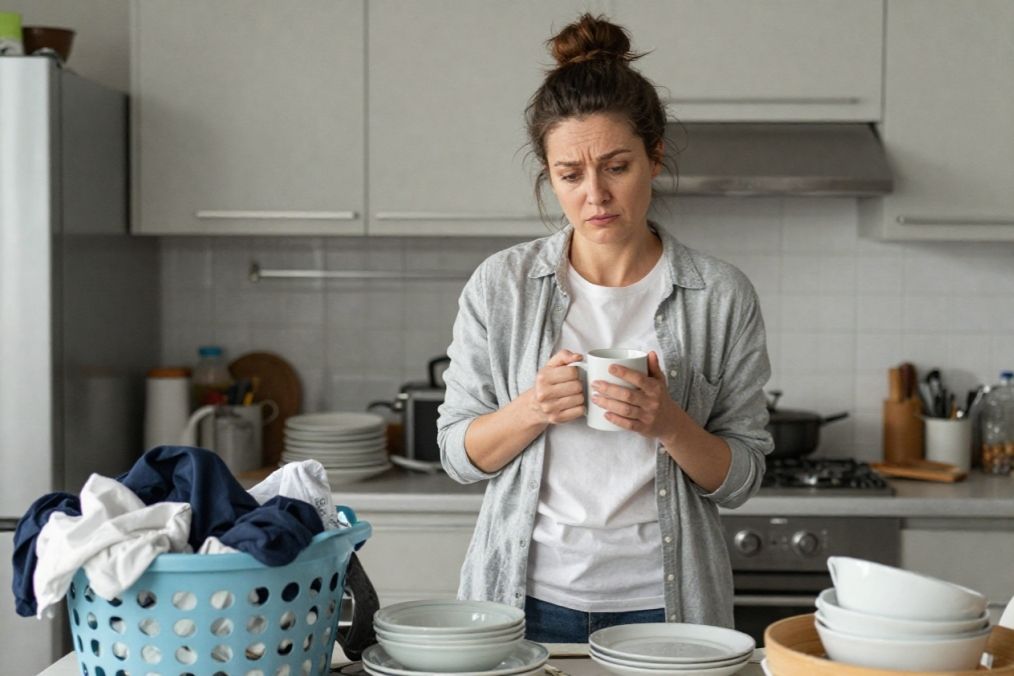
Slower Recovery
Recovery becomes increasingly important after 30. Intense workouts may leave muscles feeling sore for longer periods, making consistent exercise more challenging.
Inadequate Protein Intake
- Many women unknowingly consume less protein than their bodies require, particularly when following restrictive diets or trying to lose weight.
- Protein plays a critical role in muscle repair, recovery, and maintenance.
Why Muscle Mass Matters for Women
Maintaining muscle mass is about much more than appearance.
Healthy muscle tissue supports:
- Strength and mobility
- Better posture
- Improved metabolic health
- Blood sugar regulation
- Bone strength
- Balance and injury prevention
- Long-term independence and quality of life
Women with greater muscle mass often find it easier to stay active, maintain a healthy weight, and perform everyday tasks with confidence.
Can Creatine Help Women Maintain a Healthy Body Composition?
- Many women focus primarily on weight loss, but body composition is often a more meaningful measure of health.
- As muscle mass naturally declines with age, body fat percentages may increase even when body weight remains unchanged. This is one reason why many women notice that their clothes fit differently despite seeing little movement on the scale.
- By supporting exercise performance and helping maintain lean muscle tissue, creatine may play a role in supporting a healthier body composition when combined with regular physical activity and proper nutrition.
How Creatine Helps Women After 30
Supports Muscle Preservation
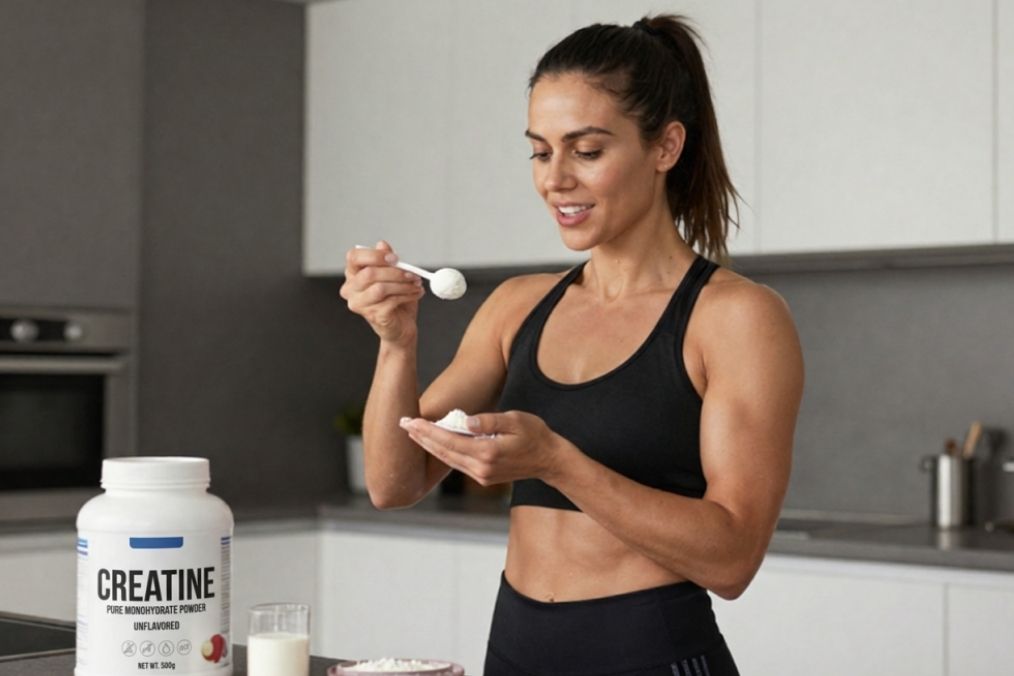
- Creatine helps muscles produce energy more efficiently during exercise. This can support workout performance and help women maintain lean muscle over time.
- Women who combine creatine with resistance training may experience better preservation of lean muscle mass compared to training alone.
Enhances Strength and Exercise Performance
- Research has consistently shown that creatine can support strength, power output, and exercise capacity.
- Improved workout performance may allow women to train more effectively and stay consistent with their fitness goals.
Supports Recovery
- Some studies suggest that creatine may help reduce exercise-induced muscle damage and support recovery between workouts.
- Better recovery often leads to greater consistency and improved long-term results.
Supports Healthy Aging
- One of the most compelling reasons women are becoming interested in creatine is its potential role in healthy aging.
- Maintaining strength and physical function becomes increasingly important with age, and creatine may help support these goals when combined with an active lifestyle.
Why Creatine Matters During Perimenopause and Menopause
As women approach perimenopause and menopause, declining estrogen levels can contribute to:
- Reduced muscle mass
- Lower strength levels
- Increased body fat accumulation
- Changes in recovery and energy levels
Maintaining strength and mobility becomes increasingly important during this stage of life.
Alongside proper nutrition and exercise, creatine may help support physical performance and muscle health during these hormonal transitions.
Creatine and Bone Health: An Emerging Area of Research
Strong muscles help support strong bones. Researchers continue to investigate the relationship between creatine supplementation, muscle strength, and bone health, particularly among aging adults.
While more research is needed, maintaining muscle through exercise remains one of the most effective ways to support long-term skeletal health.
Women interested in overall healthy aging may also want to learn more about collagen production naturally declines with age, which can affect connective tissue, skin, and joint health. Following a structured workout routine through the Ocoach Fitness App can help make those efforts more effective.
Can Women Take Creatine Without Going to the Gym?
Absolutely, while creatine is commonly associated with weightlifting, maintaining muscle health is important even for women who don’t regularly visit the gym.
Women who stay active through:
- Walking
- Yoga
- Hiking
- Pilates
- Home workouts
- Recreational sports
may still benefit from prioritizing muscle health as they age. However, the greatest benefits are typically seen when creatine is paired with some form of resistance-based exercise.
Creatine for Busy Mothers and Working Professionals
Finding time for fitness can be difficult. Between work responsibilities, parenting duties, commuting, and household tasks, many women struggle to maintain consistent exercise routines.
Because inactivity can accelerate muscle loss over time, focusing on movement, nutrition, recovery, and supportive supplementation can be beneficial.
Women balancing demanding schedules may also benefit from learning about essential supplements for busy professionals that can support overall wellness and active lifestyles.
How Much Creatine Should Women Take?
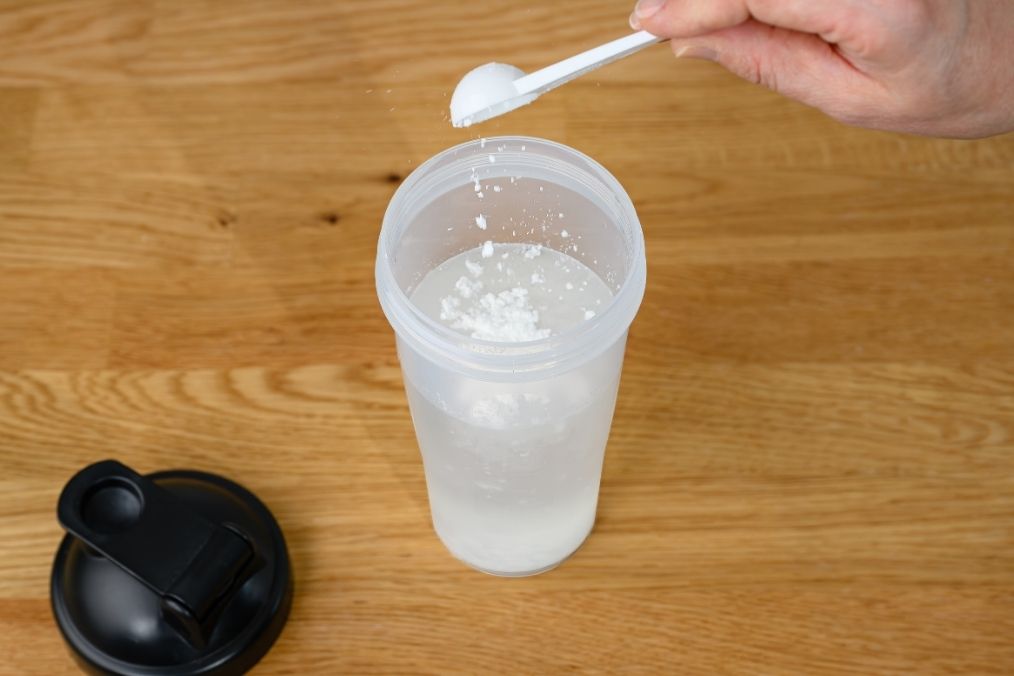
Most research suggests that women can safely take 3–5 grams of creatine daily to support muscle strength, exercise performance, and healthy muscle maintenance.
Consistency is generally more important than timing, and creatine works best when combined with regular exercise and a balanced diet.
For a detailed breakdown of creatine benefits, dosage and proper usage, read our complete guide: READ MORE ON CREATINE
Is Creatine Right for Every Woman?
Creatine is generally considered safe for most healthy women when used as directed. However, some women should speak with a healthcare professional before starting supplementation.
You may need medical guidance if you:
- Have kidney disease or impaired kidney function
- Have a liver condition
- Are pregnant or breastfeeding
- Take medications that affect kidney function
- Have a chronic medical condition requiring ongoing treatment
If you have concerns about whether creatine is appropriate for your individual health needs, consult a qualified healthcare provider before use.
Common Myths About Creatine for Women
Myth #1: Creatine Causes Bulky Muscles
- One of the most common misconceptions is that creatine will make women look bulky.
- In reality, creatine supports lean muscle development rather than excessive muscle growth. Building large amounts of muscle requires years of dedicated training, specialized nutrition, and specific genetic factors.
Myth #2: Creatine Is Only for Athletes
Creatine can benefit a wide range of women, including recreational exercisers, busy professionals, active mothers, and women focused on healthy aging.
Myth #3: Creatine Is Unsafe
Creatine monohydrate is one of the most extensively researched supplements available today. Studies consistently support its safety profile for healthy individuals when used appropriately.
Supporting Muscle Health Beyond Creatine
Creatine is just one piece of the puzzle.
Long-term muscle health also depends on:
- Regular strength training
- Adequate protein intake
- Quality sleep
- Stress management
- Consistent physical activity
Women interested in muscle preservation as they age may also find value in exploring our guide on BCAAs After 40: Muscle Preservation Guide, which discusses additional strategies for maintaining lean muscle and supporting recovery.
Final Thoughts
Maintaining muscle mass becomes more important for women after 30 as hormonal changes, slower recovery, and busy lifestyles can make it harder to stay strong and active. By combining regular exercise, adequate protein, quality sleep, and supplements like creatine, women can better support their strength, energy, and long-term health.
Muscle isn’t just about appearance it’s an investment in mobility, confidence, and overall well-being. Creatine can be a valuable tool in helping support that journey.