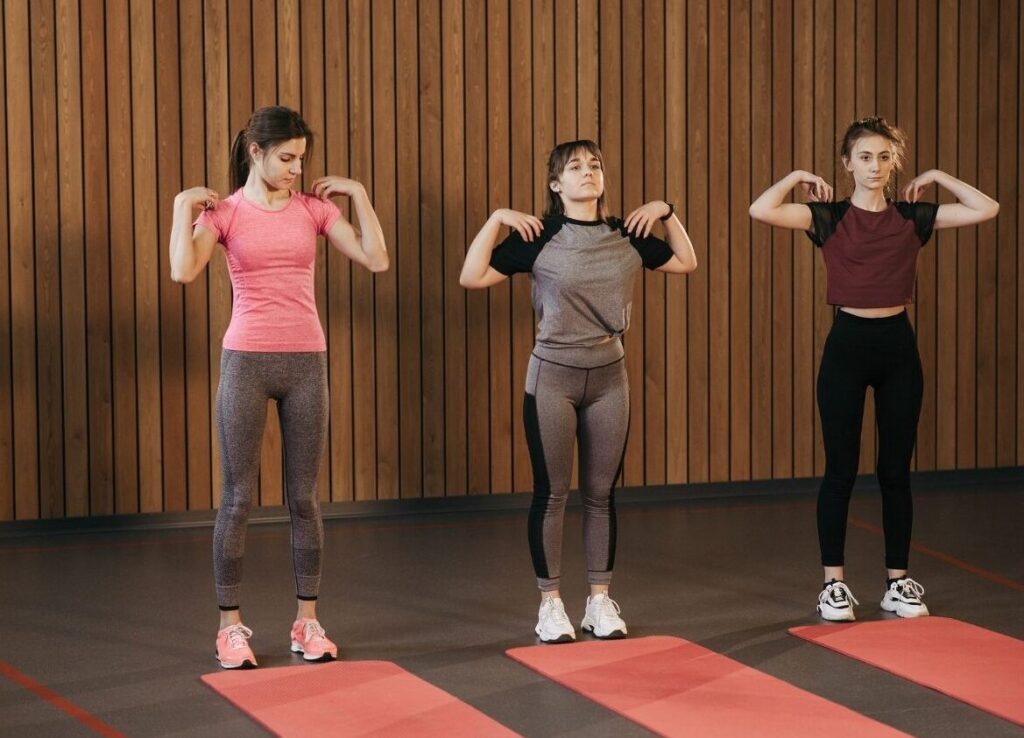
Have you ever felt stiff while lifting weights? Skipping your warm-up can leave your body unprepared for exercise. Learning how to warm up before lifting weights helps prepare your muscles and improve movement control.
Just 3–5 minutes of light activity and dynamic movements, followed by lighter sets, can help beginners prepare for strength training.
Why Is Warming Up Important Before Lifting Weights?
A warm-up helps you transition from rest to exercise and prepare for the movements in your workout. It should leave you feeling ready to train, not tired before you begin.
- Gradually increases your activity level before strength training.
- Helps you practise the movements you will perform during your workout.
- Encourages comfortable movement through the ranges needed for your exercises.
- Gives you an opportunity to check your technique before increasing the weight.
- Helps you prepare for heavier lifts through lighter, exercise-specific sets.
A warm-up cannot guarantee injury prevention, but it is a useful part of a well-planned workout.
How Long Should You Warm Up Before Lifting Weights?
For many beginners, around 5–10 minutes is a practical starting point for general warm-up activity. The time you need depends on your workout, training intensity, and how your body feels.
A simple approach includes:
- 2–3 minutes of light activity: Start with easy walking, cycling, or marching in place.
- 3–5 minutes of dynamic movements: Choose movements related to the muscles you plan to train.
- Additional warm-up sets: Before your main lifts, begin with lighter weights and gradually work toward your planned training load.
You may need more time before a demanding session or if you feel stiff. Focus on preparing for the workout rather than following a strict timer.
5 Simple Warm-Up Exercises Before Weight Training
These exercises are suitable starting points for many beginners. Choose movements that match your workout, and perform them at a comfortable pace.
1. Brisk Walking or Marching in Place
Duration: 2–3 minutes
Walk at a comfortable, slightly brisk pace on a treadmill or march in place at home. Let your arms move naturally and gradually increase your pace.
Why it helps: It raises your activity level gradually before you move on to strength-training movements.
2. Arm Circles
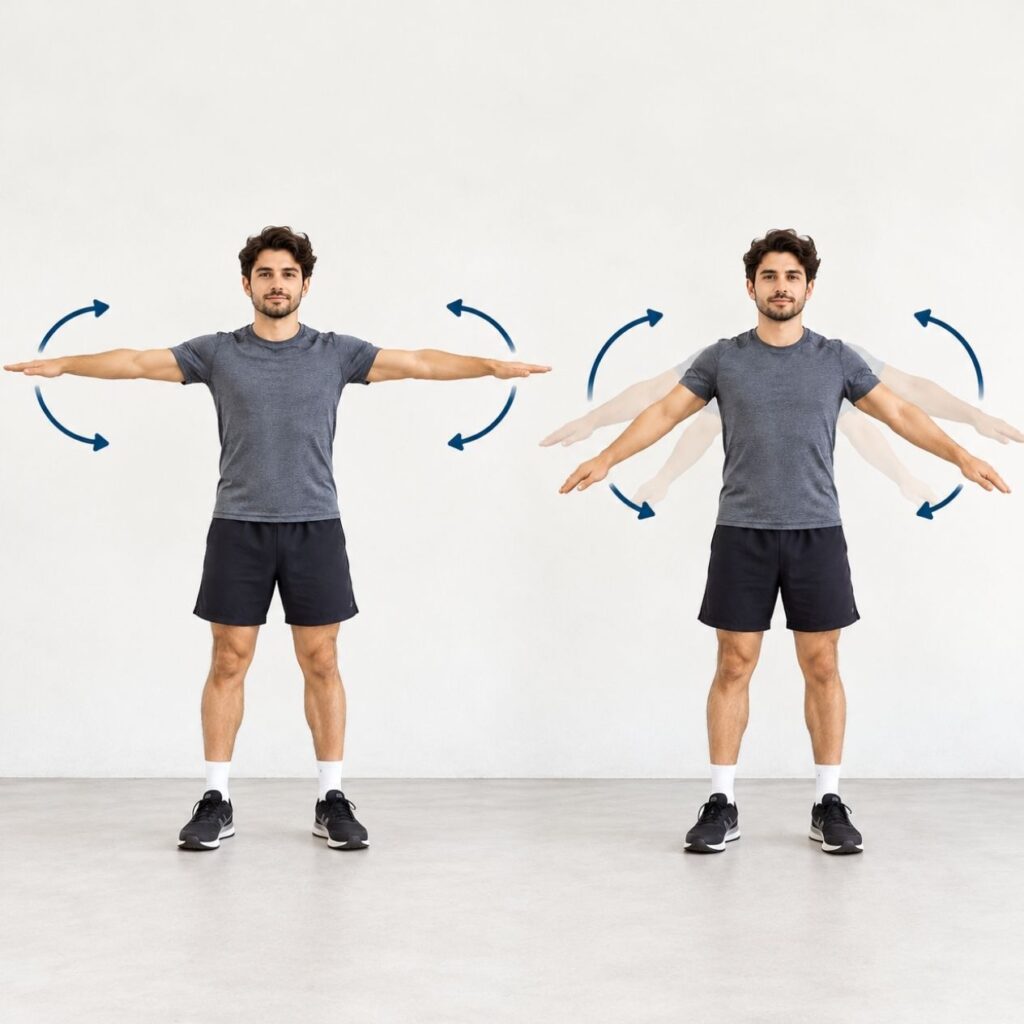
Duration: 30 seconds
Stand upright and extend your arms out to the sides. Make small circles with your arms, then gradually increase the size if comfortable. Reverse the direction halfway through.
Why it helps: It gets your shoulders moving before upper-body exercises such as presses and rows.
3. Bodyweight Squats
Duration: 8–10 repetitions
Stand with your feet approximately shoulder-width apart. Bend your knees and hips to lower yourself into a comfortable squat, then push through your feet to stand upright.
Keep your chest comfortably lifted and your feet planted on the floor.
Why it helps: It lets you practise the basic squatting movement before exercises such as goblet squats or barbell squats.
4. Hip Hinges
Duration: 8–10 repetitions
Stand with your feet about hip-width apart and place your hands on your hips. Push your hips backward while keeping your back in a comfortable, neutral position. Return to standing by bringing your hips forward.
Why it helps: It helps you practise the hip-hinge pattern used in exercises such as deadlifts and Romanian deadlifts.
5. Wall Push-Ups
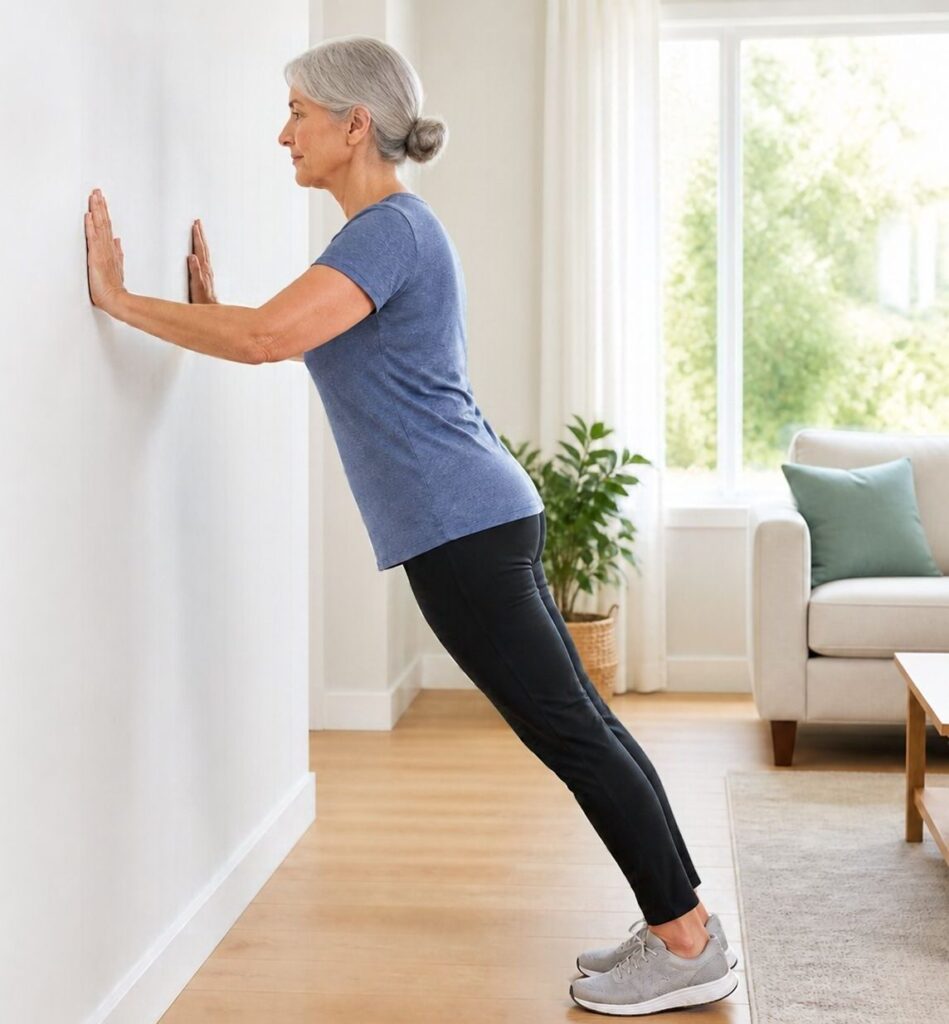
Duration: 8–10 repetitions
Stand facing a wall and place your hands against it at chest height. Bend your elbows to bring your chest toward the wall, then push back to the starting position.
Keep your body aligned and move under control.
Why it helps: It introduces a light pushing movement before upper-body exercises. You can skip this movement on lower-body days if it is not relevant to your session.
How to Warm Up for Different Weightlifting Workouts
Your warm-up should match the muscles and movements you plan to train. You do not need to perform every possible warm-up exercise before every session.
Before a Chest, Shoulder, and Triceps Workout
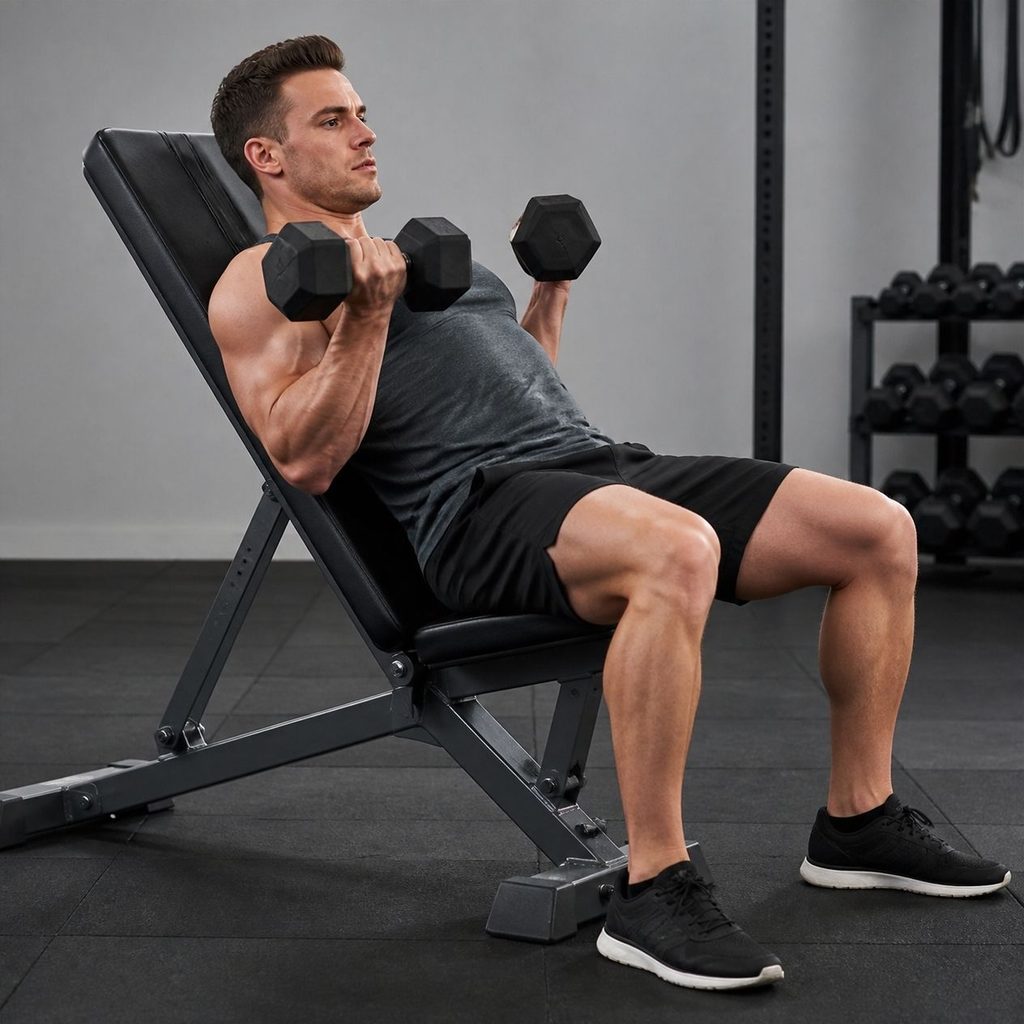
Focus on gentle shoulder movements and light pushing exercises. Arm circles, wall push-ups, and controlled shoulder movements can be useful starting points.
For a more specific routine, follow this 5-minute push day warm-up before your pressing exercises.
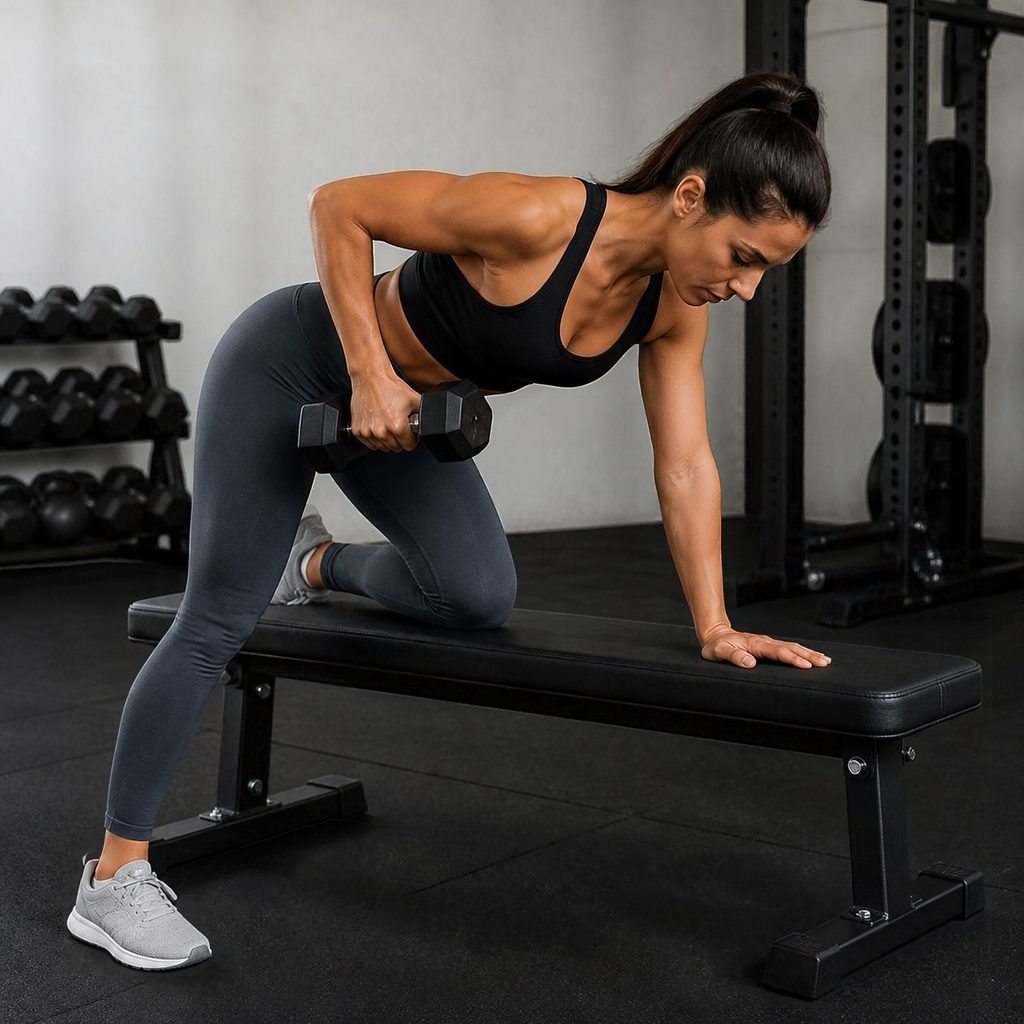
Before a Back and Biceps Workout
Prepare your shoulders and upper back with comfortable arm movements and light pulling exercises if suitable equipment is available.
If your workout includes heavy rows or pulldowns, start with a lighter load before moving to your working weight.
Before a Leg Workout

Focus on lower-body movements such as bodyweight squats, hip hinges, and gentle marching. Choose exercises that help you practise the movement patterns in your planned session.
Before heavy squats or deadlifts, perform lighter sets of the exercise itself.
Before starting your leg workout, follow the O’Coach Leg Day Warm-Up Routine to prepare your lower body for squats, lunges, and other leg exercises.
Why Warm-Up Sets Matter Before Heavy Lifts
General warm-up exercises prepare you for activity, but they do not replace practice with the actual exercise you plan to perform.
For example, before a heavy bench press or squat:
- Start with a light weight that allows comfortable, controlled repetitions.
- Increase the load gradually if needed.
- Reduce the number of repetitions as the weight increases so you do not create unnecessary fatigue.
- Use the warm-up sets to check your technique and readiness for the planned working weight.
The number of sets depends on your experience and how heavy your working sets will be. You may need more preparation for a demanding lift than for a lighter isolation exercise.
Common Warm-Up Mistakes Beginners Should Avoid
- Starting with heavy weights: Begin with lighter loads and increase gradually.
- Skipping general warm-up activity: Spend a few minutes preparing before demanding exercises.
- Doing too much before the workout: Avoid exhausting yourself with excessive repetitions or intense cardio.
- Relying only on static stretching: Include movement and exercise-specific practice rather than relying entirely on long, held stretches.
- Ignoring discomfort: Stop movements that cause pain and choose a suitable alternative.
A Simple Warm-Up Routine You Can Follow
If you are unsure where to begin, follow this simple routine and adjust it to match your workout.
- Brisk Walking or Marching: 2–3 minutes to gradually increase your activity level.
- Arm Circles: 30 seconds to prepare your shoulders for upper-body exercises.
- Bodyweight Squats: 8–10 repetitions to practise the squatting movement.
- Hip Hinges: 8–10 repetitions to prepare for exercises such as deadlifts.
- Wall Push-Ups: 8–10 repetitions before upper-body pushing exercises, if relevant.
- Exercise-Specific Warm-Up Sets: Start with lighter weights and gradually increase the load before your main lifts.
Choose movements that suit your workout rather than performing every exercise in every session.
Final Thoughts
Learning how to warm up before lifting weights can make your training routine more structured and help you feel prepared for your first working set. Start with light activity, add a few movements suited to your workout, and gradually increase the weight before demanding lifts. Make guided exercise routines part of your fitness journey. Download the O’Coach app to explore workouts that support your training goals.
Keep your warm-up simple, controlled, and specific to your training goals. As you gain experience, you can adjust it to suit your exercises, working weights, and individual needs.
How to Warm Up Before Lifting Weights: A Beginner's Guide