
Are Peptides the Secret to Muscle Recovery or Just Hype?

In today’s wellness and fitness space, peptides are becoming a major trend. You’ll see them highlighted in skincare, muscle building, recovery, anti-aging, and even weight management. But here’s the real question—do they actually play a meaningful role in muscle recovery, or is it just hype?
Meaning of Peptides

Peptides are short chains of amino acids, which act as the building blocks of proteins. Unlike full proteins, these smaller structures are easier for the body to use and often work as biological messengers. Peptides are not just present in the body. They actively guide processes such as repair, stress response, and maintaining balance. Their function as messengers is what makes peptides important for muscle recovery.
How Peptides Support Your Muscle Recovery
Peptides don’t directly build muscle. Instead, they support the systems responsible for recovery. Here’s how:
1. They Activate Repair Signals
After a workout, your body needs to initiate repair quickly. Peptides help regulate the signals that trigger muscle repair, ensuring the process starts efficiently.
2. They Help Manage Inflammation
Inflammation is part of healing, but excessive inflammation can slow recovery and increase soreness. Peptides help maintain a balanced inflammatory response, allowing recovery without unnecessary discomfort. For added support, antioxidants like glutathione also help control post-workout inflammation and protect cells from oxidative damage.
3. They Support Tissue Recovery Beyond Muscles
Your body relies on more than just muscle fibers. Tendons, ligaments, and connective tissues also experience stress during exercise. Peptides contribute to the repair of these supporting structures, improving overall resilience.
4. They Improve Cellular Recovery
Recovery happens at the cellular level. Peptides support processes that help cells repair and function properly, allowing your body to handle repeated training more effectively.
Understanding how your muscles actually repair after a workout helps put peptides’ role in the right context — they support the system, not replace it.
Research shows that peptides actively interact with the body’s signaling systems, helping support muscle repair and recovery processes (PubMed Central)
Who Can Actually Benefit from Peptides?

Peptides may be useful if your body regularly goes through physical stress:
- Gym-goers and strength trainers
- Athletes and active individuals
- People with physically demanding routines
- Older adults with slower recovery capacity
If muscle stress is minimal, the impact of peptides will also remain limited.
What are the Side Effects of Peptides
Peptides are often used for muscle recovery and performance, but they are not completely risk free. Some side effects can occur, especially when used without proper guidance.

Common Side Effects
- Headache
- Nausea
- Fatigue or dizziness
- Injection site reactions (redness, swelling, irritation)
- Water retention or mild bloating
- Increased appetite (in some cases)
If you’re building a supplement routine, start with the basics — check out our guide to the top supplements for 2026 before layering in anything advanced like peptides.
Research shows that some peptides may influence hormone levels, including growth hormone, which can affect metabolism, appetite, and fluid balance. Improper use or high doses may increase the likelihood of these effects (see study: PMC5392015).
What Are the Safety Tips for Peptide Users?
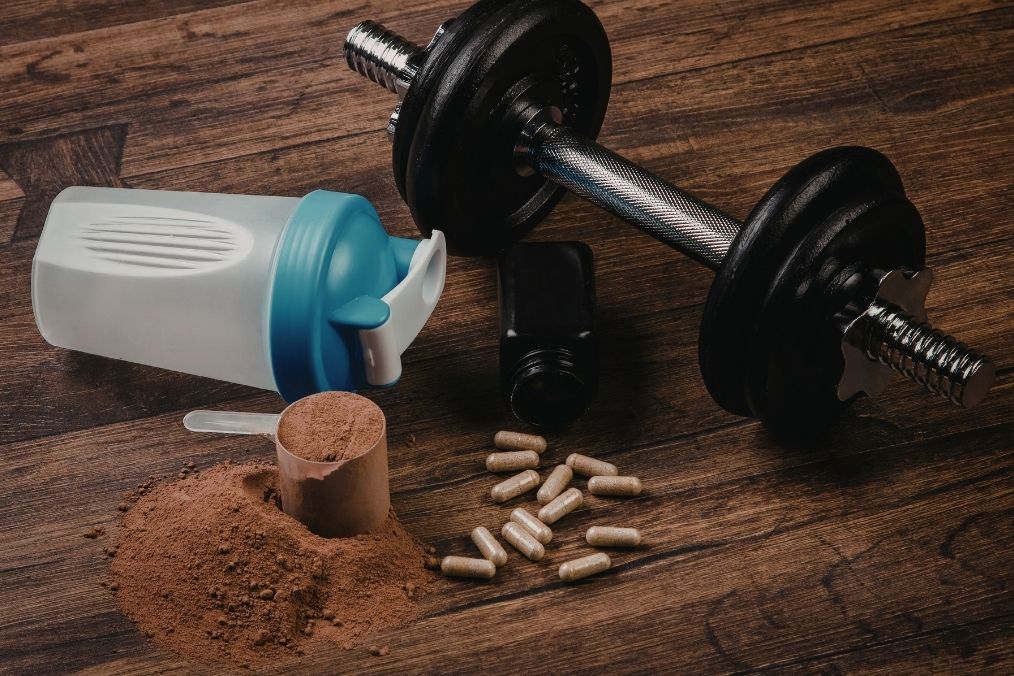
Using peptides the right way helps reduce the chances of side effects. Following a few basic safety tips can help you stay informed and in control.
Safety Tips
- Consult a qualified healthcare professional before starting
- Use only high-quality, lab-tested products from trusted sources
- Avoid combining multiple peptides or supplements without guidance
- Do not use continuously without proper supervision
Conclusion
Peptides support muscle recovery, but the best results come from using them responsibly with the right guidance, quality products, and consistent habits. Before starting, make sure you understand how they work and whether they align with your goals. No supplement replaces the foundation start by pairing supplements with consistent daily movement for results that actually last.
If you’re considering peptides, consult a healthcare professional and explore trusted, well researched options to make an informed decision.
💪 Recovery Doesn’t Stop at Supplements
Peptides support repair — but movement is what triggers it.
Give your body something worth recovering from.
👉 Try a Free Workout on O’Coach App
https://get.ocoach.app/blog-sidebar
Free
No equipment
Designed for real people