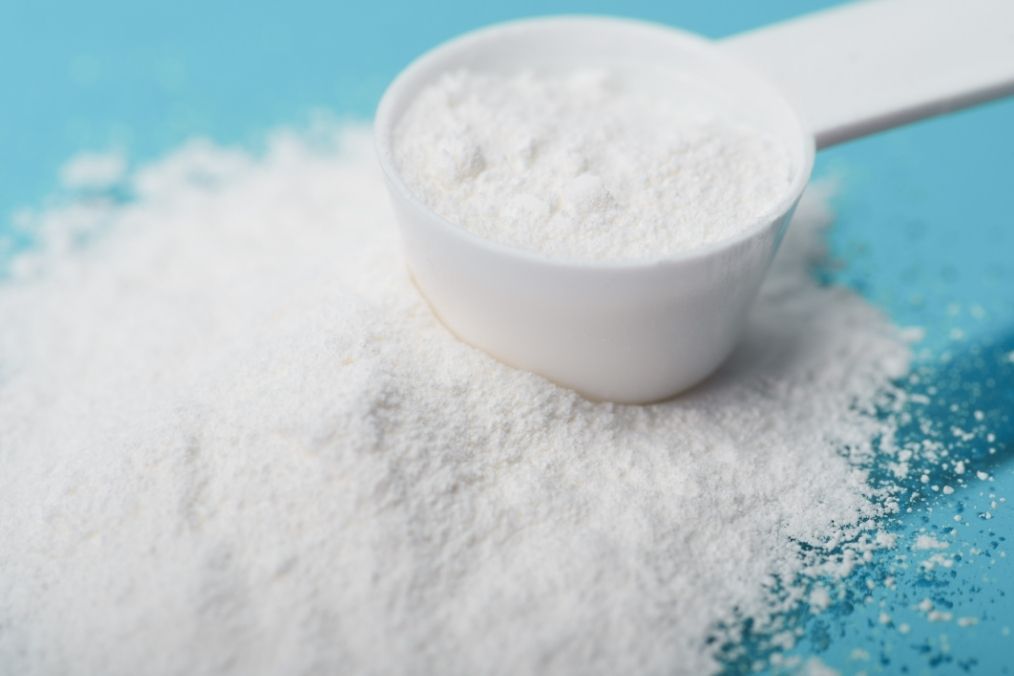
Creatine helps replenish ATP (adenosine triphosphate), your muscles primary energy source during high-intensity exercise. As one of the most researched sports supplements, it can support strength, performance, and muscle growth. For beginners, 3–5 grams of creatine monohydrate daily is typically enough to see benefits.
Key Takeaways
- Creatine helps your muscles produce energy during high-intensity exercise.
- Creatine monohydrate is the most researched and recommended form.
- A loading phase is optional for beginners.
- Daily supplementation is more important than timing.
- Results may take several weeks without a loading phase.
- Consult a healthcare professional before starting any supplement.
What Is Creatine?
Creatine is a naturally occurring compound found in your muscles and brain. It is made from amino acids and helps your body produce energy during short bursts of high-intensity exercise, such as weightlifting, sprinting, and explosive sports activities.
About 95% of the body’s creatine is stored in skeletal muscles, while the remaining 5% is found in the brain, heart, and other tissues.
Although your body produces creatine naturally, and you can get small amounts from foods like meat and fish, supplementation helps increase your muscle creatine stores, leading to better performance and recovery.
A creatine loading phase is a method of rapidly increasing your muscle creatine stores by taking a higher dose of creatine for a short period, typically 20 grams per day (split into 4 doses of 5 grams) for 5–7 days. After the loading phase, you switch to a maintenance dose of 3–5 grams per day.
Benefits of Creatine for Beginners
- Increased Energy Production: Helps your muscles generate quick energy during intense physical activity.
- Increased Strength: Helps improve performance during weightlifting and other high-intensity exercises.
- Enhanced Muscle Growth: Supports muscle development when combined with regular resistance training.
- Improved Exercise Performance: May help you train harder and complete more repetitions.
- Better Recovery: Can aid recovery between sets and workouts.
Which Type of Creatine Is Best?
Research consistently shows that creatine monohydrate is the most effective and well-studied form of creatine. The International Society of Sports Nutrition (ISSN) states that creatine monohydrate is the most extensively researched form and remains the gold standard for improving strength, muscle mass, and exercise performance.
Popular types of creatine include:
- Creatine Monohydrate: The most studied and widely recommended form.
- Micronized Creatine: A finer version of creatine monohydrate that mixes more easily.
- Creatine Hydrochloride (HCl): Often marketed for better solubility, but research is limited compared to monohydrate.
For most people, creatine monohydrate provides the best combination of effectiveness, safety, and value.
How Much Creatine Should Beginners Take?
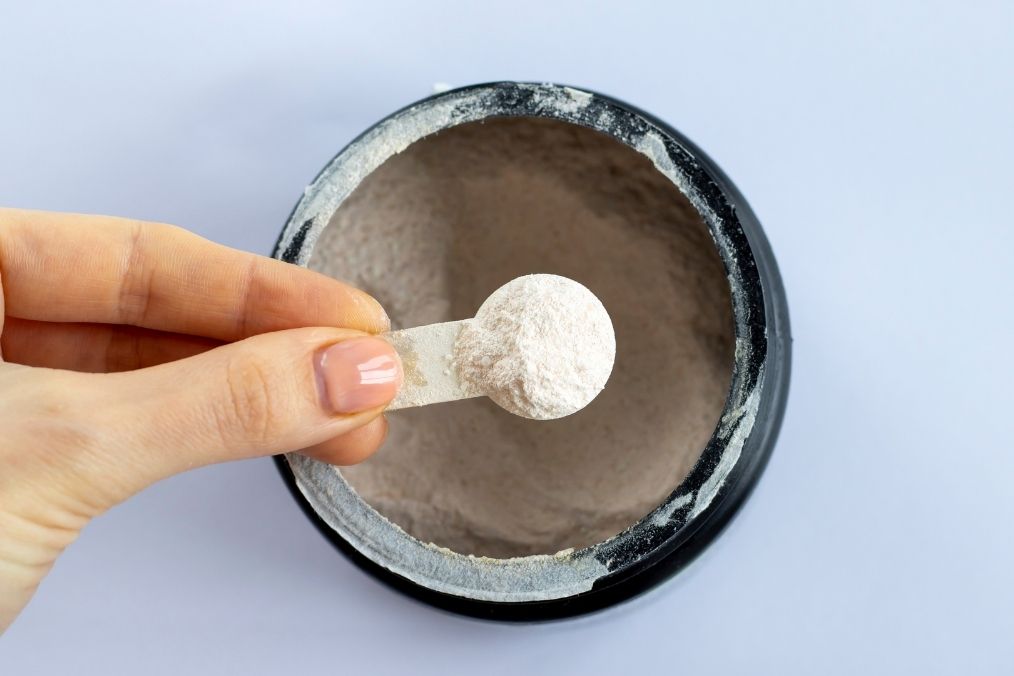
Beginners should take 3–5 grams of creatine monohydrate daily. A loading phase is optional but not necessary, as consistent daily use will provide the same benefits over time. Creatine can help improve strength, muscle growth, and exercise performance when combined with regular training.
Note: If you have any medical conditions, are pregnant or breastfeeding, or take prescription medications, consult a healthcare professional before starting creatine or any new supplement takes a few weeks longer to fully saturate your muscles with creatine.
Best Time to Take Creatine
The good news is that timing is not as important as consistency.
Many people prefer taking creatine:
- After workouts with a meal
- Alongside protein shakes
- With carbohydrates for potentially better absorption
For beginners, the best time to take creatine is simply the time you can stick to every day.
Pro Tip: Mix creatine with water, juice, or a protein shake, and stay well-hydrated throughout the day for optimal results.
Common Creatine Mistakes to Avoid
To get the best results from creatine, avoid these common mistakes:
- Skipping doses: Creatine works best when taken consistently every day.
- Taking too much: More isn’t always better stick to the recommended dosage.
- Not drinking enough water: Staying hydrated can help support overall performance and comfort.
- Expecting instant results: Creatine takes time to build up in your muscles, so be patient and consistent.
- Choosing expensive alternatives: Creatine monohydrate is the most researched and effective form for most people.
Avoiding these mistakes can help you maximize the benefits of creatine and get better results from your training program.
Are There Any Side Effects of Creatine?
Creatine is generally considered safe for healthy adults when taken as directed. However, some people may experience mild side effects, especially when taking higher doses. Common side effects may include:
- Water retention, which can lead to temporary weight gain
- Stomach discomfort if large amounts are taken at once
- Bloating in some individuals
- Muscle cramps may occur in certain cases, although research has not consistently linked creatine to an increased risk of cramps
To minimize the risk of side effects, follow the recommended dosage, stay well-hydrated, and choose a high-quality creatine monohydrate supplement.
Note: Consult a healthcare professional before taking creatine if you have kidney disease, a pre-existing medical condition, or are taking prescription medications.
How Long Does Creatine Take to Work?
The time it takes to notice results depends on whether you use a loading phase.
- With a loading phase: Results may be noticeable within 1–2 weeks
- Without a loading phase: It may take 3–4 weeks to fully saturate muscle creatine stores
Most users first notice improvements in strength, workout performance, and recovery before visible muscle gains.
Who Should Use Creatine?
Creatine can be beneficial for a wide range of individuals looking to improve their fitness and athletic performance, including:
- Beginners starting a strength-training program
- Gym-goers aiming to build muscle and strength
- Athletes involved in high-intensity sports such as sprinting, football, and basketball
- Individuals looking to improve workout performance and recovery
- Vegetarians and vegans, who may have lower natural creatine stores due to limited dietary intake
While creatine is suitable for many healthy adults, it may not be necessary for everyone. Always consult a healthcare professional before starting any new supplement, especially if you have a medical condition or take prescription medications.
Looking to improve your performance even further? Explore our related guides on BCAAs, beta-alanine, and other supplements to help support muscle growth, recovery, and athletic performance.
Final Thoughts
Creatine is one of the most effective and well-researched supplements available for improving strength, exercise performance, and muscle growth. For beginners, a simple approach of taking 3–5 grams of creatine monohydrate daily, staying consistent, and following a structured training program can help maximize results over time.
Remember that creatine is a supplement—not a substitute for proper nutrition, regular exercise, and adequate recovery. When used correctly, it can be a valuable addition to your fitness routine.
Frequently Asked Questions
Can beginners take creatine every day?
Yes. Taking creatine daily helps maintain optimal muscle creatine levels and supports long-term results.
Do I need to cycle creatine?
No. Research does not show a need to cycle creatine when taken at recommended doses.
Can I take creatine on rest days?
Yes. Creatine should be taken every day, including rest days, to keep muscle stores elevated.
Will creatine make me gain fat?
No. Creatine does not cause fat gain. Any initial weight increase is usually due to increased water stored within the muscles.